Eric Bank has been covering business and financial topics since 1985, transforming complex subject matter into clear, accessible insights for consumer audiences. His work regularly appears on Credible.com, eHow, WiseBread, The Nest, Get.com, Zacks, Chron, and several other respected outlets. A former software engineer, Eric holds an M.B.A. from New York University and an M.S. in finance from DePaul University, and brings a rare blend of technical expertise and financial acumen to his writing.
Lillian brings more than 30 years of editing and journalism experience, having written and edited for major news organizations, including The Atlanta Journal-Constitution and the New York Times. A former business writer and business desk editor, Lillian ensures all BadCredit.org content equips readers with financial literacy.
Ashley has managed content strategy for BadCredit since 2015, partnering with major banks, financial institutions, and media outlets to deliver authoritative personal finance content. Her expert credit card commentary has appeared in top national publications, including CNBC, MarketWatch, Investopedia, Yahoo Finance, and Reader's Digest, establishing her as a trusted voice in the industry.
Bad credit personal loans are tailored to those with less-than-perfect credit scores, providing access to needed funds and an opportunity to improve credit history. Bad credit lenders consider factors beyond just credit scores, such as income, employment, and overall financial situation. Below are reviews of the best personal loans for bad credit, according to our experts:
Disclosure: When you apply through links on our site, we often earn referral fees from partners. For more info, see our ad disclosure and review policy.
BadCredit.org’s personal loan ratings are calculated by our financial experts based on key factors including interest rates, fees, and approval odds. We also consider the loan terms and time to receive funds. Our ratings are unbiased and regularly updated.
BadCredit.org’s personal loan ratings are calculated by our financial experts based on key factors including interest rates, fees, and approval odds. We also consider the loan terms and time to receive funds. Our ratings are unbiased and regularly updated.
BadCredit.org’s personal loan ratings are calculated by our financial experts based on key factors including interest rates, fees, and approval odds. We also consider the loan terms and time to receive funds. Our ratings are unbiased and regularly updated.
BadCredit.org’s personal loan ratings are calculated by our financial experts based on key factors including interest rates, fees, and approval odds. We also consider the loan terms and time to receive funds. Our ratings are unbiased and regularly updated.
BadCredit.org’s personal loan ratings are calculated by our financial experts based on key factors including interest rates, fees, and approval odds. We also consider the loan terms and time to receive funds. Our ratings are unbiased and regularly updated.
BadCredit.org’s personal loan ratings are calculated by our financial experts based on key factors including interest rates, fees, and approval odds. We also consider the loan terms and time to receive funds. Our ratings are unbiased and regularly updated.
BadCredit.org’s personal loan ratings are calculated by our financial experts based on key factors including interest rates, fees, and approval odds. We also consider the loan terms and time to receive funds. Our ratings are unbiased and regularly updated.
BadCredit.org’s personal loan ratings are calculated by our financial experts based on key factors including interest rates, fees, and approval odds. We also consider the loan terms and time to receive funds. Our ratings are unbiased and regularly updated.
BadCredit.org’s personal loan ratings are calculated by our financial experts based on key factors including interest rates, fees, and approval odds. We also consider the loan terms and time to receive funds. Our ratings are unbiased and regularly updated.
BadCredit.org’s personal loan ratings are calculated by our financial experts based on key factors including interest rates, fees, and approval odds. We also consider the loan terms and time to receive funds. Our ratings are unbiased and regularly updated.
BadCredit.org is a free online resource that offers valuable content and comparison services to users. To keep this resource 100% free for users, we receive advertising compensation from the financial products listed on this page. Along with key review factors, this compensation may impact how and where products appear on the page (including, for example, the order in which they appear). BadCredit.org does not include listings for all financial products.
Our Editorial Review Policy
Our site is committed to publishing independent, accurate content guided by strict editorial guidelines. Before articles and reviews are published on our site, they undergo a thorough review process performed by a team of independent editors and subject-matter experts to ensure the content’s accuracy, timeliness, and impartiality. Our editorial team is separate and independent of our site’s advertisers, and the opinions they express on our site are their own. To read more about our team members and their editorial backgrounds, please visit our site’s About page.
Review Breakdown: Bad Credit Personal Loans
Personal loans come in all shapes and sizes: unsecured loan, secured loan, emergency loan, title loans, and many more. That is especially true when it comes to loans designed for those with poor credit. The good news is, no matter what your personal loan needs are, reputable lenders still want your business -- despite your imperfect credit history. Below is a summary of the best personal loans for bad credit, along with links to each lender's secure online loan application.
Here are 2026's best personal loans for bad credit:
BadCredit.org’s personal loan ratings are calculated by our financial experts based on key factors including interest rates, fees, and approval odds. We also consider the loan terms and time to receive funds. Our ratings are unbiased and regularly updated.
BadCredit.org’s personal loan ratings are calculated by our financial experts based on key factors including interest rates, fees, and approval odds. We also consider the loan terms and time to receive funds. Our ratings are unbiased and regularly updated.
BadCredit.org’s personal loan ratings are calculated by our financial experts based on key factors including interest rates, fees, and approval odds. We also consider the loan terms and time to receive funds. Our ratings are unbiased and regularly updated.
BadCredit.org’s personal loan ratings are calculated by our financial experts based on key factors including interest rates, fees, and approval odds. We also consider the loan terms and time to receive funds. Our ratings are unbiased and regularly updated.
BadCredit.org’s personal loan ratings are calculated by our financial experts based on key factors including interest rates, fees, and approval odds. We also consider the loan terms and time to receive funds. Our ratings are unbiased and regularly updated.
BadCredit.org’s personal loan ratings are calculated by our financial experts based on key factors including interest rates, fees, and approval odds. We also consider the loan terms and time to receive funds. Our ratings are unbiased and regularly updated.
BadCredit.org’s personal loan ratings are calculated by our financial experts based on key factors including interest rates, fees, and approval odds. We also consider the loan terms and time to receive funds. Our ratings are unbiased and regularly updated.
BadCredit.org’s personal loan ratings are calculated by our financial experts based on key factors including interest rates, fees, and approval odds. We also consider the loan terms and time to receive funds. Our ratings are unbiased and regularly updated.
BadCredit.org’s personal loan ratings are calculated by our financial experts based on key factors including interest rates, fees, and approval odds. We also consider the loan terms and time to receive funds. Our ratings are unbiased and regularly updated.
BadCredit.org’s personal loan ratings are calculated by our financial experts based on key factors including interest rates, fees, and approval odds. We also consider the loan terms and time to receive funds. Our ratings are unbiased and regularly updated.
Understanding that you have opportunities to borrow money even if you have a poor credit score is important. Read on to discover your options before pursuing the right course of action for your circumstances.
1. What is a Loan for Bad Credit?
We all might find ourselves needing to borrow money unexpectedly. While having bad credit can make things more complicated, the good news is that there are still several options for bad credit loans.
Having bad credit makes it harder to borrow money, and you’re likely to be saddled with high interest rates, high fees, and limited loan amounts. While a low credit score increases a loan’s overall cost, the repayment term can be extended to make the monthly payments more affordable.
2. How Do I Get a Bad Credit Loan?
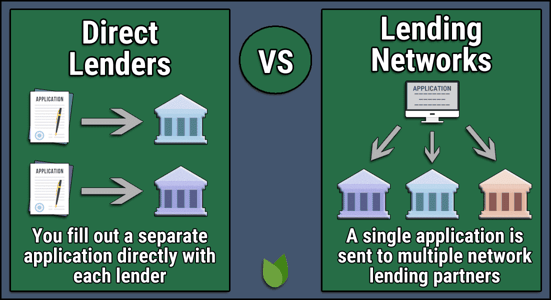
It’s difficult to qualify for a bank loan when you have bad credit. However, alternative sources of personal loans are specifically designed for subprime borrowers. The most efficient way to get this type of loan is by using an online lending network.
A bad credit lender-matching service connects you with a network of direct lenders experienced in assisting subprime borrowers. To start, you fill out an online request form on the service’s website to prequalify for a loan.
The prequalification requirements are generally limited to the following:
Age: You must be at least 18 years old.
Citizenship: You must be a US citizen or resident.
Income: You must reliably collect a specified minimum amount of income or benefits each month.
Bank account: You must have an active bank or credit union account registered in your name.
Identification: You must provide a Social Security number, valid email address, bank account details, and work and/or home phone numbers.
Once you fill out the loan request form, the matching service finds the best direct lender for you and directs you to their website. From there, you finish the application by providing any additional needed details.
If you decide to accept a loan offer, you’ll need to complete the loan paperwork and e-sign the agreement. You should receive your loan proceeds as a cash deposit to your bank account within one to two business days.
The lender may automatically debit your bank account to collect the loan payments.
3. What Are the Different Types of Bad Credit Loans?
We’re diving into bad credit personal loans today. Often called signature loans, these only require you to sign your name on the loan agreement to get started.
They are unsecured loans, which means you don’t have to provide any collateral to secure this kind of loan, although many lenders will accept collateral if you would otherwise not qualify.
Other loan sources for folks with bad credit include:
Credit card cash advances: Your unsecured or secured credit card may allow you to take out a cash advance. The maximum amount you can borrow is usually some percentage of the card’s credit limit. Interest, which accrues daily starting on the transaction date, is usually higher than that of a personal loan.
The APR for credit card advances is also usually higher than the APR for purchases. The best thing about credit card advances is that they are available immediately without the need for approval. However, because these are expensive loans, they are best suited for short-term borrowing.
Home equity loans: If you own a home and have accumulated equity in it, you can unlock your equity through a home equity loan or home equity line of credit. Your equity is equal to the current value of your home minus the remaining amount of your mortgage.
Banks and other sources will let you borrow some percentage of your equity, sometimes up to 95% to 100%.
A home equity loan is a lump sum amount that you repay over a set number of installments. If you miss payments, the lender can foreclose on your home, so these loans can be risky.
A home equity line of credit (HELOC) is like a revolving credit account, similar to a secured credit card cash advance, but it’s backed by your home.
Home equity loans are usually very cost-efficient and don’t depend primarily on your credit score. Hence, they are a good choice if you have bad credit. Of course, they won’t work for you if you don’t own your home.
If you have a current car loan, you can replace it with a new one that comes with its own rates and terms. Missing payments might lead to your car being repossessed by an agent. However, this type of loan often offers a good deal and is usually less affected by your credit score.
Rather, your monthly income and expenses help determine whether you can afford the loan.
Payday loans: These are loans secured by your next paycheck that don’t require good credit for approval. Payday loans charge exorbitant interest rates and fees that can land you in a debt spiral. We recommend you instead use an online personal loan.
Pawnshop loans: You can borrow a small loan against personal belongings at a pawnshop. Typical pawn items include cameras, laptops, watches, and jewelry. If you don’t reclaim your property after a set period, the pawnshop can sell it.
These loans can be pricey because you typically borrow only a small portion of the pawned item’s value. Even so, they remain a feasible option for those looking for loans without a credit check.
Credit Builder Loan: Think of this less as a traditional loan and more as a smart investment in your credit future. Instead of receiving funds upfront, you’re making regular payments to a credit union or fintech service, which are reported to the credit bureaus to help you build your credit history.
The payments are returned to you after the loan term ends. Credit Builder loans provide a way to save money and improve your credit over a period of one to two years.
Family and friends: If other options aren’t working, you might consider borrowing money from family or friends. These loans often come with low or no interest and flexible terms. However, if you fail to repay, it could strain your relationship with the lender.
Payday advance apps:These apps provide a great way to quickly borrow money if you’re employed. You usually need a bank account to qualify, but you can link your account to the app and get an advance on your next paycheck for relatively cheap.
Relying on these services often, however, may mean you’re overspending.
4. What Are Good Uses For Bad Credit Personal Loans?
Consider these types of loans if you really must take out a bad credit personal loan to meet urgent expenses. Each has its merits and can be a suitable way to access the financial resources you need.
Consider your situation and how each of these loan types may best serve you. Each has a unique loan amount, loan term, origination fee, and minimum credit score requirement.
Cash Loans
Getting a cash loan from a lender or from a private source may be the most straightforward type of personal loan you can obtain. Cash loans may require some form of collateral or prearranged commitment to pay — either automatically, as is the case of a payday loan money transfer, or even via a post-dated check.
You might also consider getting a cash loan from a friend or family member, which could be a better option. Typically, a friend or relative won’t run a credit check or charge an origination fee or penalties for missing a payment.
If you decide to borrow from a friend or relative, think about signing a personal loan agreement that outlines the loan terms — ideally, with a lower interest rate than a subprime lender would offer.
Emergency Loans
Emergency loans are frequently associated with the workplace, in which you request an advance on future earnings or on accumulated vacation pay. If an employer offers such an option, this may be a viable alternative.
Emergency loans can also be requested and withdrawn from funds that you have contributed to, such as a 401(k), an individual retirement account, a healthcare flexible spending account, or a similar account.
Emergency loans are usually short-term, lasting between 30 and 90 days. It’s essential that the creditor, borrower, and any cosigner clearly define the loan amount and terms to ensure the loan works well for everyone involved.
Installment Loans
An installment loan is simply a loan that is paid back over time in incremental (and usually equal) payments. Installment loans are typically used for purchases of big-ticket items such as furniture, vehicles, and even houses.
Typically, installment loans require borrowers to have at least fair credit. However, if your credit score is strong enough to qualify, this option could work well for you.
Military Loans
If you’re an active member of the military, you may qualify to take out a personal loan against future earnings. Active service members should check with their commands to see if this is an option for them.
Another type of military loan is a Veteran’s Administration loan (VA loan) for the purchase of a home. This type of military loan is available to anyone who has served and was honorably discharged from active service.
Because these loans are guaranteed by the government, they offer service members great terms and rates.
Wedding Loans
Getting married can be a huge expense. If you need cash to pay for some or all your wedding costs, you may want to consider a wedding loan.
When you’re planning a wedding, personal loans can be a fantastic way to handle expenses. Many lenders provide loans specifically for wedding costs, offering repayment terms that can stretch up to seven or eight years.
If you already own a home, consider using your home equity line to secure a wedding loan, which often has a lower interest rate.
Boat Loans
Buying a boat is a big expense, and you should consider carefully whether taking out a personal loan is in your best interest. However, if you’ve found a great deal on a boat and need a loan, some bad credit lenders will grant subprime boat loans for folks with less-than-perfect credit.
Like auto loans, boat loans often require a significant down payment. But if you’re able to make it, you could soon be enjoying your new boat.
And, as with any loan, if you make payments on time, you could turn your poor credit into an excellent credit score over time.
Government Loans
The government offers different types of loans for several specific purposes through various agencies. Some examples of government loans include small business and business expansion loans, housing loans, student or education loans, farming loans, and even disaster relief or emergency loans.
To learn more about the specific government loan type you’re interested in, check with the appropriate agency or government-sponsored enterprise (GSE) responsible for issuing these loans.
Debt Consolidation Loans
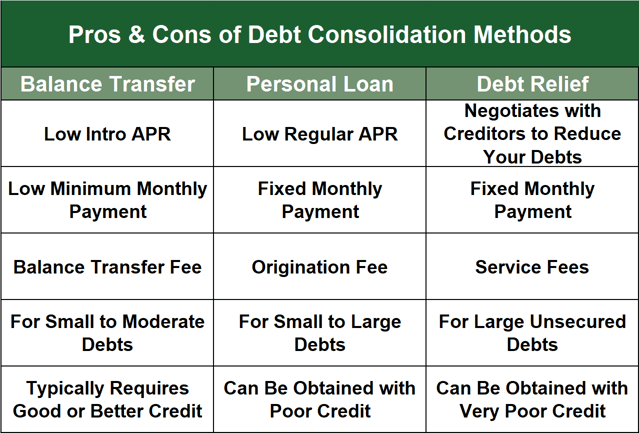
A debt consolidation loan is a type of personal loan that is typically used to pay off high-interest rate credit cards or other debt. As the name suggests, it’s a way to combine or consolidate your disparate debt payments into a single payment each month.
Use caution with this type of personal loan and only consider it if you can get a substantially lower overall interest rate. Also, if you choose to go the route of a debt consolidation loan, you need to have the discipline to stick to a budget and not add to your existing debt.
If you take out a personal loan, whether secured or unsecured, to consolidate debt, be cautious about accumulating more credit card debt. This could create a financial hole that’s tough to escape.
5. What are Bad Uses for Bad Credit Personal Loans?
It can be tempting to turn to any available source when you’ve got a bad credit score and are in need of cash. However, some subprime personal loans simply aren’t worth the risk.
Below is our list of the types of subprime personal loans you should avoid and why. Remember, better options may be out there for accessing the financial resources you need.
Some examples of why private student loans are a poor choice include:
They have variable interest rates that can suddenly rise.
They offer no loan deferment, forbearance, or forgiveness like federal loans do.
They are offered by institutions designed to make a profit.
Consider a federal student loan instead of one issued by a private lender. Some students with a poor credit score make the mistake of using a payday lender that charges a high interest rate and prepayment penalty to cover the cost of books and other living necessities.
The repayment term from such a predatory lender makes this loan option a disastrous one, trapping students in a cycle of debt.
Small Business Loans
When you’re in need of cash to start, expand, or fund your small business, turning to a bank or lending institution for a small business loan can be tempting. You can also explore invoice financing or a merchant cash advance. However, this isn’t always a good idea.
Loans for small businesses can often come with high interest rates and exorbitant terms — especially if you have bad credit. Instead of invoice financing, a merchant cash advance, or something similar, consider a loan offered through the Small Business Administration.
This government-funded agency offers loans with reasonable rates and terms for things from expansion to short-term working capital.
Hard Money Loans
Hard money loans are often seen as a last resort for those with bad credit. They’re used when getting a conventional mortgage or home equity loan is out of reach.
A hard money loan uses the value of a property as the collateral, but often with untenable terms. These loans are more expensive and have higher origination costs than a standard mortgage, VA loan, or FHA loan, making them impractical as a personal loan for most borrowers.
Commercial Loans
A commercial loan is money that is usually lent to a business instead of to an individual. These loans are also sometimes referred to as industrial loans or business loans.
They are usually secured by property — sometimes a personal residence — and are frequently used to fund business operations or expenses. These loans are usually short-term and can be very risky. For these reasons, commercial loans are a poor choice for a personal loan.
Bridge Loans
Bridge loans are loans designed to bridge a gap between the purchase of something and the permanent source of financing for it. Bridge loans are usually of very short duration. Because of this, they can charge an extremely high APR.
A bridge loan that charges 6% interest for a loan that comes due in three months can be more expensive than if you borrowed on a credit card. And, due to their short duration, they are not a wise choice as a personal loan.
Construction Loans
A construction loan is a loan type that is also usually short in duration. They are frequently used to pay for the costs of building a new home, after which you can apply for a standard mortgage, VA loan, or FHA loan.
The problem with many construction loans is that they can be expensive and risky. It used to be that small builders and developers could get their own financing and could lend the homeowner the money as part of the construction process.
The situation changed significantly after the home mortgage crisis. Now, homeowners are responsible for obtaining construction loans, and if any issues arise during construction, they’re financially liable.
6. What’s the Easiest Loan to Get with Bad Credit?
The lenders reviewed above are all equally easy to use. Here are a few reasons why:
Quick prequalification: You fill out a short online loan request form that requires you to provide minimal data. In most cases, you can complete and submit the form within a few minutes.
No hard inquiry for prequalification: You can prequalify for a loan without hurting your credit score because the lender-matching services do not perform a hard credit check when you submit the loan request form. This makes it easier to prequalify even if you have bad credit or no credit history at all.
Easy prequalification requirements: Generally, you must be 18 or older, reside in the US, have a Social Security number, checking account, email, and phone number, and receive a minimal income each month.
Automatic transfer to a lender: Upon submission of your loan request form, the service instantly matches you to the most appropriate lender on its network. The transfer is automatic, allowing you to continue the application process uninterrupted.
Free service: The lender-matching companies charge no fees for their services and you are never under any obligation to take out a loan.
Quick funding: If you agree to a loan, the money will automatically appear in your bank account within one to two business days. The process is easy, quick, and secure.
The direct lenders on these lender-matching services set their own rules regarding a borrower’s minimum credit score (if any), range of loan amounts, interest rates, fees, and repayment periods.
7. Where Can I Borrow $1,000 with Bad Credit?
All the lender-matching services can find you loans of $1,000. The service most closely tied to small loans is CashAdvance, which can arrange a small personal loan of $100 to $1,000 despite your bad credit profile.
As with all the matching services, you fill out a quick loan request form to prequalify for a loan and then finish applying on the website of the lender matched to you.
To qualify for CashAdvance, you need to have earned at least $1,000 a month after taxes for a minimum of 90 days. Your loan repayments will be automatically deducted from your bank account each month until the balance is paid off. Note that CashAdvance.com isn’t available in every state.
8. Is It Possible to Get a Bad Credit Business Loan?
Bad credit complicates the process of obtaining a loan for your business. The lender-matching services discussed earlier specialize in personal loans rather than business loans. That being said, you can do several things to overcome obstacles standing between your business and a loan:
Prepare yourself before applying: Part of applying for a business loan has to do with impressing the lender with your knowledge and professionalism. Gather and organize all the relevant information, including your business and personal credit reports, bank and financial statements, tax returns, and a business plan. Be ready to explain why you need the loan and exactly how you will use the funds.
Apply to a traditional lender: You may be able to qualify for a small business loan from a traditional lender that works with businesses that have marginal credit.
Focus on smaller institutions: Applying for a conventional loan at a regional or community bank, or at a local credit union, can considerably improve your chances. Be ready to make your case and to demonstrate you are of good character. If you are initially turned down, find out why and see what changes you can make to overcome the institution’s objections.
Visit the website of the Small Business Administration (SBA): You may qualify for an SBA-guaranteed loan with competitive terms, lower down payments, no required collateral, and flexible overhead requirements. Loans guaranteed by the SBA as small as $500 are available. You can find an SBA loan program, such as the one for startups, that is geared to companies with bad credit.
Get a business credit card: If your bad credit is preventing you from getting a business loan, apply for a basic business credit card. By paying your credit card bills on time, you can boost your business’s credit rating, thereby improving your chances for a regular business loan in the future.
Look upon the task of obtaining a business loan as a learning experience that encourages you to sharpen your critical thinking and your persuasive abilities.
9. What’s the Difference Between Traditional and Alternative Lenders?
Traditional lenders are members of the banking system, including banks, credit unions, and savings and loan associations. Alternative lenders are a variety of loan sources outside the banking system.
Frequently, the discussion of traditional versus alternative lending falls within the business loan context, but personal loans are also available from traditional and alternative sources.
The lending networks used by the personal lender-matching services include alternative lenders such as private finance companies that specialize in direct online loans to subprime borrowers. Another type of alternative lender is a peer-to-peer (P2P) online marketplace, such as Lending Club and Peerform.
Becoming a P2P lender is open to anyone, from wealthy individuals to groups of investors. Typically, P2P lenders conduct their own loan assessments, often using unique methods to evaluate borrowers’ eligibility.
Alternative methods go beyond credit ratings to assess the borrower’s employment and educational background.
The biggest downside of a P2P loan is that it may take longer to get your money than if you were to use a lender-matching network to obtain a direct loan.
Traditional lenders are typically the slowest lenders, but they do offer in-person guidance and assistance that may be lacking from an online lender. Also, if you can get a traditional loan despite having bad credit (which is not likely), you’ll probably get a good interest rate.
10. What’s the Difference Between a Secured and Unsecured Personal Loan?
A secured loan is backed by collateral, such as cash, securities, your house, or your car. Credit cards are available in secured and unsecured varieties, whereas home loans and car loans are, by definition, always secured.
Unsecured loans are backed only by your promise to repay and include student loans and personal loans.
When you take out a secured loan, you give the lender a lien on the collateral property securing the loan. The lien allows the lender to repossess the collateral if you default on the loan.
In virtually all cases, the collateral’s value exceeds the loan amount, which helps defray the added legal and operational costs of liquidating the collateral.
Secured loans are often non-recourse, meaning the lender can seize only the collateral property when a borrower defaults. With recourse loans, lenders can sue borrowers who have defaulted for their personal property to recover the loan amount.
A secured loan can be recourse, meaning the lender can go after additional property if the collateral is insufficient to repay the loan (i.e., if there is a deficiency).
Foreclosures occur when homeowners default on their mortgages. When you default on your car loan, a repo agent can seize your vehicle. After the borrower liquidates the collateral, any amounts more than the loan (and associated costs) are returned to the borrower.
You can freeze creditor action by filing for bankruptcy. The court will then control your assets and how they are to be distributed to your creditors. The process is orderly, and you may emerge debt-free, but your credit rating will suffer for up to 10 years.
Typically, secured loans have lower interest rates than do unsecured ones. The reason is that secured loans are less risky, so the lender can afford to charge the borrower a lower rate. Most personal loans are unsecured, but banks and credit unions may offer personal loans secured by cash deposits and/or financial securities.
11. How Can I Get an Instant Loan Online?
We think of instant loans as ones in which you receive a decision on your loan application within about 10 minutes of starting the process, although some may take more time or less.
Fast decisions and next-day funding are some of the chief reasons why consumers apply for instant online loans.
BadCredit.org offers numerous reviews of online lenders, and that’s a great place to start. We examine the reputation and ratings of various lending services to award each one an overall rating.
You can read our reviews, find a lender that interests you, and then click on the link to the lending company.
After clicking on the link, you’ll be transferred to the lending service’s website where you can do more investigating and complete a loan request form. The service will prequalify your request and then transfer you to a direct lender where you complete your loan application.
If approved, your loan proceeds will be deposited into your bank account in the next one to two business days.
12. How Can I Increase My Odds of Loan Approval?
The best way to increase your odds is to improve your personal credit score. One of the fastest ways to boost your score is to remove (either by your own efforts or through a credit repair company) erroneous or incomplete negative information from your credit reports.
Cleaning up your credit reports can give your scores a quick boost in just a few months. If you keep paying your bills on time and maintain low debt levels, your credit score will likely improve over time.
One metric, your debt-to-income (DTI) ratio, measures your level of debt. Most lenders want to see a DTI ratio no higher than 36%, although you can get a government-backed mortgage with a DTI ratio as high as 43%.
If you have credit card debt, reduce your credit utilization ratio (i.e., total credit used divided by total credit available) below 30%. Your CUR accounts for 30% of your credit score, so paying down debt can help your score rise.
You might find it useful to consolidate your credit card debt through 0% APR balance transfers, allowing you to focus on paying off one card balance at a time.
Other things you can do to help your personal credit score are keeping old credit card accounts open, using a wide mix of loans and credit, and not applying for new credit more than once or twice per year.
These are minor factors that go into the calculation of your FICO credit score. Another step you can take is to sign up for Experian Boost, a program that can add dozens of points to your score.
13. Can I Borrow Money With a 500 Credit Score?
A credit score of 500 is considered Very Poor on the FICO scale, which can severely limit your financing choices. While it’s possible to get a personal loan with such a low score, the expense might outweigh the benefits.
You might end up paying the highest interest rate a lender can legally charge, along with extra fees. This could lead to repaying significantly more than the initial loan amount.
Lenders charge high interest rates because a lower credit score signals a higher risk for them. They aim to recover as much money as possible early on in case of a default later in the loan period.
About The Author
Eric BankFinance Writer
Eric Bank has been covering business and financial topics since 1985, specializing in taking complex subject matters and explaining them in simple terms for consumer audiences. Eric's writing appears on Credible.com, eHow, WiseBread, The Nest, Get.com, Zacks, Chron, and dozens of other outlets. A former software engineer, Eric holds an M.B.A. from New York University and an M.S. in finance from DePaul University.
Information Warranty & Disclosure: Great efforts are made to maintain reliable data on all offers presented. However, users should check each provider’s official website for updated terms, details and conditions for each offer before applying or signing up. Our site maintains strict terms of service and may accept compensation for paid ads or sponsored placements in accordance with these terms. Users must be at least 18 years of age to be eligible for financial offers as per the terms presented on provider websites.
* FICO scores/credit scores are used to represent the creditworthiness of a person and may be one indicator to the credit type you are eligible for. However, credit score alone does not guarantee or imply approval for any financial product.