

Writer: Gerri Detweiler


Editor: Jon McDonald


Reviewer: Ashley Fricker

No matter how bad your credit is now, there’s an off-ramp in the future. Federal law prohibits credit bureaus from reporting most negative information that is more than seven years old. Although bankruptcy cases may legally be reported for up to 10 years.
If your credit reports list late payments, charge-offs, collection accounts, or even bankruptcy, you’re probably looking forward to the day when they finally drop off.
The process is usually automatic. Once information is too old, the credit bureaus stop reporting it.
But sometimes old debts can reappear on your credit reports as newer debts, throwing a wrench into the process. These “zombie debts” may affect how quickly you repair your credit and leave you open to aggressive debt collectors.
In a moment, I’m going to share four main reasons old accounts may appear as new on credit reports. Spoiler alert: they all relate to collection accounts.
That’s why a quick background on collection accounts and credit reporting is in order before we get into those specific issues.
Collection Accounts: What You Need to Know
By law, credit reporting agencies may not report accounts that were placed for collection if they are more than seven years old. The seven-year period officially starts 180 days (roughly six months) after the account was delinquent, leading up to when it was placed for collection or charged off.
That may sound confusing, so here is an example:
You missed your credit card payment that was due January 15, 2021. You couldn’t catch up, and your card issuer eventually charged off the account and later placed it for collection.
The date of first delinquency is January 15, 2021. The account may be reported until July 13, 2028: That’s 7 years and 180 days from when you fell behind and ended up in collections.
Any collection accounts listed on your credit reports should list a date of first delinquency (DOFD), sometimes called the original date of delinquency. That’s the key date that will trigger the seven-year reporting period.
If that date is missing or wrong, the account may be reported longer than it should be. Don’t be too surprised if you find mistakes related to these types of accounts on your credit reports, though.
The Consumer Financial Protection Bureau noted in a 2012 report on the credit reporting system that:
“Collections items are a major source of disputes. Items reported by collection agencies reportedly have the highest dispute rates…Almost 40% of disputes handled by the NCRAs on average can be linked to collections items.”
With that background in mind, let’s talk about the main reasons these older accounts may appear as newer on your credit files.
1. Illegal “Re-aging” Tactics Used by Debt Collectors
Debt collectors know that consumers will often agree to pay collection accounts in the hopes they can get them removed from their credit reports. Once those accounts no longer appear on credit reports, they lose that leverage.
Experian reports that it won’t accept delinquent or derogatory accounts reported without a valid date of first delinquency.
Unethical collectors may “re-age” a debt to make it appear more recent, and to keep it on credit reports longer than it should legally appear.
It’s worth noting here that you may see a recent “date opened” or “date updated” associated with the account. That does not mean the debt is new; it just means information was recently reported.
2. Debt Resale and Transfers
Portfolios of unpaid debt are often bought and sold. When a debt you owe is purchased by a new collection agency, you may suddenly get calls or letters about a “zombie debt” you haven’t thought about in a long time.
When debts are sold, information about individual accounts may get misclassified, or sometimes intentionally omitted or altered to make the accounts appear more attractive to debt buyers.
This has happened often enough that the Federal Trade Commission has warned companies that report to credit bureaus that they should “prevent re-aging (inaccurately changing the date of first delinquency on a consumer’s account to a later date) and duplicative reporting, particularly following portfolio acquisitions or sales, mergers, and other transfers.”
3. Settled Debt Appearing Active
When consumers owe more than they can afford to pay, they may be able to settle the debt with the debt collector by paying less than the full balance.
When a debt settlement agreement is reached and the consumer pays the amount agreed upon, the account should be updated to show there is no balance still owed.
If the status of the collection account isn’t updated, it may appear as an open and active collection account.
While technically that shouldn’t affect how long the account is reported (again, the date of first delinquency determines the reporting period), an unpaid collection account may be viewed negatively by someone reviewing the credit report.
A collection account that isn’t settled or paid can also wind up being sold to another collection agency, creating yet another collection account on the credit report.
4. Duplicate Accounts Get Created
When an unpaid collection account moves from one collection agency to another, two things should happen:
- The prior account should note that the debt has been sold or transferred, and
- The new account should accurately reflect the date of first delinquency
When either of these two actions doesn’t happen, the credit report may appear to list two active collection accounts when in reality only the more recent one is active.
Experian instructs companies that report credit bureau data that “a final account status code must be reported when an account is paid, settled or transferred…”
How to Audit Your Credit Reports and Correct Them
Get your full credit reports from each major credit bureau (Experian, Equifax, and TransUnion) to find out what’s reported, and to identify any potentially negative accounts.
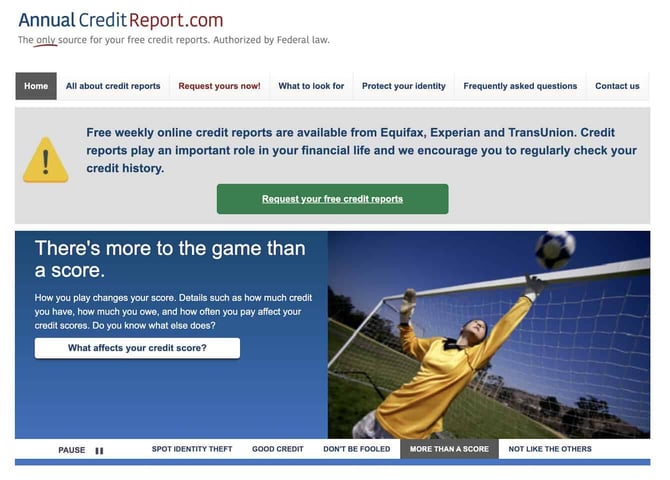
You can get your full credit reports for free at AnnualCreditReport.com.
Review information carefully, especially for negative accounts. Make sure dates are correct, and in particular, make sure the date of first delinquency is reported. If it’s not, you may want to try to contact the credit bureau for clarification or dispute the account.
You may even want to talk with a consumer law attorney for guidance. Some consumer law attorneys will assist with lawsuits against collection agencies on a contingent fee basis, which means you don’t pay unless you win.
Stay Vigilant Against Zombie Debt
Monitoring your credit reports on a monthly basis is one of the best ways to spot zombie debts. If you see an inquiry or a new account you don’t recognize, investigate.
If you are contacted by a collection agency out of the blue, don’t ignore the debt collector, but don’t let them pressure you, either.
The debt may be outside the statute of limitations (the legal deadline for the collector to sue you for a debt), for example, and agreeing to make even a small payment may restart the clock on the statute of limitations.
Instead, you may want to exercise your legal right to request written validation of the debt, and that’s often a good place to start.
