


Writer: Ashley Fricker


Editor: Lillian Guevara-Castro

“How to get a repo off your credit report,” is probably not something anybody wants to be typing into a search engine. But life is full of ups and downs that we can’t always foresee. As bad as it can be to walk out of a restaurant or shopping mall to the alarming sight of your vehicle being towed away, it can be even worse to learn that your car isn’t simply parked in the wrong place — it’s being repossessed for defaulting on your auto loan.
And it only goes downhill from there. A defaulted auto loan will be reported to the consumer credit bureaus, where it will live on your credit reports for up to seven years.
That negative mark can also weigh down your credit score by dozens of points, which can mean difficulty obtaining new credit (and higher interest rates if you do). While you may have an option for early removal in credit repair, chances are you’ll need to try other credit-building solutions while the default ages off your reports. In this article, we’ll explore the options available to you, including the possibility of early removal or simply having to wait it out, and finally. We’ll also look at some second-chance auto loan options.
Early Removal | Wait It Off | Second-Chance Auto Loans
Credit Repair May Be Able to Remove a Repossession Early
By the time the default from a repossession is reported to the credit bureaus, your creditor has likely already taken possession of the vehicle and may even have sold it. At this point, negotiating with your creditor is generally no longer an option, and there isn’t much you can do to have the creditor remove the negative mark from your credit reports.
This leaves credit repair as the only potential method for removing the repo from your credit report before its expiration date. While credit repair is hardly a guarantee, filing a credit report dispute may allow you to remove an erroneous or unsubstantiated repossession mark from your credit report. Credit disputes can be filed yourself, though an experienced credit repair company may have more success.

- Since 2004, Lexington Law Firm clients have seen over 84 million removals from their credit reports
- Get started today with a free online credit report assessment
- Cancel anytime
- See official site, terms, and details.

| Better Business Bureau | In Business Since | Monthly Cost | Reputation Score |
|---|---|---|---|
| See BBB Listing | 2004 | $139.95 | 8/10 |

- Best-in-class support
- In business since 1989
- Rapid 35-day dispute cycle, tailored to your situation
- 90-day 100% money-back guarantee
- Low $79 cost to get started, cancel or pause membership anytime
- See official site, terms, and details.
| Better Business Bureau | In Business Since | Monthly Cost | Reputation Score |
|---|---|---|---|
| A+ | 1989 | $79 | 9.5/10 |

- Free online assessment
- CreditRepair.com members saw over 8.8 million removals on their credit reports since 2012
- Free access to your credit report summary
- Three-step plan for checking, challenging and changing your credit report
- Online tools to help clients track results
- See official site, terms, and details.
| Better Business Bureau | In Business Since | Monthly Cost | Reputation Score |
|---|---|---|---|
| See BBB Listing | 2012 | $69.95+ | 8/10 |
+See More Credit Repair Companies
Perhaps the most important part of obtaining credit repair success is understanding what it can do — and what it can’t do. The Fair Credit Reporting Act (FCRA) gives you the right to fair and accurate credit reports, which comes with the ability to dispute credit report items that are fraudulent, inaccurate, outdated, or unsubstantiated (i.e., the creditor can’t prove the debt belongs to you).
When a credit report dispute is filed, the credit bureau has 30 days to investigate the dispute. During this time they’ll typically contact the party that furnished the information, which would be the auto loan lender in most cases of repossession.
If the lender fails to show that you were responsible for the loan and that you truly defaulted on the loan, the credit bureau will remove the account from your credit reports. If the lender can show that the default is fairly and accurately reported, however, then the credit bureau is under no obligation to remove the account — and it won’t.
You May Need to Wait Until the Repo Ages Off Your Report
When credit repair isn’t an option — or it’s already failed to result in a removal — the only real thing to do is wait. The majority of negative credit report items, including defaults and repossessions, should naturally fall off your credit report after seven years (some bankruptcies may remain on your reports as long as 10 years).
That said, the negative impact to your credit score from a repo on your credit reports won’t necessarily last the full seven years. Credit score models typically give more weight to the more recent items on your credit report, with older items factoring into your credit score calculations less as they age.
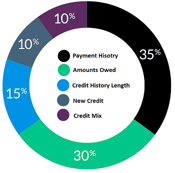
The best way to minimize the negative impacts of a repossession on your credit is to ensure the rest of your credit profile looks as good as possible. Defaulted loans (and, hence, repossessions) fall under the payment history portion of your FICO credit score. Payment history is 35% of your score, and the more positive payment history you can build, the less the repo will drag down that factor.
You should also work on the other major factors of your credit score to help balance out a less-than-stellar payment history. This includes your credit utilization and total debt, credit history length, number of new credit accounts, and the diversity of your credit mix. Keep low balances on your credit cards and avoid opening superfluous credit accounts.
Second-Chance Auto Loans Can Help You Down the Line
With hard work and diligence, you can rebuild your credit score after the damage of a repossession from a defaulted auto loan. But while your score is in the process of rebounding, finding a new auto loan can be a challenge. Few major banks will want to take on the risk that you will default a second time, so they’ll typically want at least two years of clean payment history before they’ll consider your application.
If you can’t wait until your default ages or you’ve built enough positive payment history to raise your credit score, then you’ll likely need to consider second-chance auto financing. Second-chance auto lenders cater to subprime borrowers and tend to have flexible credit score requirements. Using an online lending network, like our options below, can often increase your chances of finding an understanding lender.

- Network of dealer partners has closed $1 billion in bad credit auto loans
- Specializes in bad credit, no credit, bankruptcy and repossession
- In business since 1999
- Easy, 30-second pre-qualification form
- Bad credit applicants must have $1500/month income to qualify
- See application, terms, and details.
| Interest Rate | In Business Since | Application Length | Reputation Score |
|---|---|---|---|
| 3.99% - 29.99% | 1999 | 3 minutes | 9.5/10 |

- Auto loans for purchase, refinance, and lease buyouts
- Nationwide lender network
- Get matched with up to 5 lenders that fit your financial profile
- It only takes a few minutes and is free with no obligation
- See application, terms, and details.
| Interest Rate | In Business Since | Application Length | Reputation Score |
|---|---|---|---|
| Varies | 1998 | 4 minutes | 9.5/10 |

- Free, no-obligation application
- Specializes in auto loans for bankruptcy, bad credit, first-time buyer, and subprime
- Affordable payments and no application fees
- Connects thousands of car buyers with auto financing daily
- See application, terms, and details.
| Interest Rate | In Business Since | Application Length | Reputation Score |
|---|---|---|---|
| Varies | 1994 | 3 minutes | 9.0/10 |
+See More Auto Loans for Bad Credit
Second-chance auto loans do exist, but even subprime lenders may ask you to wait at least a few months after a repossession before approving you. You’ll also need to satisfy the lender’s income requirements, which are often at least $1,000 per month and sometimes much higher.
In many cases, you’re better off waiting a few years after your default before applying for another auto loan. The reason is simple: subprime auto loans usually carry steep interest rates and extra fees, so they can cost far more over time than a loan you might qualify for once your credit improves.
A Repossession Won’t Haunt You Forever
Having your car taken after you default on your auto loan can feel crushing for a lot of reasons. A repossession can hurt your credit for years, lower your score, and make new borrowing harder. Still, even if you have to wait the full seven years for a repo to fall off your credit report, that stretch won’t last forever. Your credit can bounce back.
Of course, the best thing to do is to prevent your loan from defaulting in the first place. If you’re at risk of falling behind on your auto loan payments, contact your lender right away. Defaults aren’t profitable for anyone involved, and it’s in your lender’s best interest to help you find a way to repay your debt — but they can do a lot more to help you if you contact them before you start making late payments.


