

Writer: Eric Bank


Editor: Lillian Guevara-Castro

Credit report dispute attorneys step in when your use of credit, whether through a loan, credit card, or something else, leads to reporting problems. Because they’re lawyers, they can usually help you in more ways than most credit repair companies can.
You may not need legal representation to repair your credit problems with a lender or credit card company, but if you do, these law firms provide the expertise you require.
Best Overall Credit Report Dispute Attorneys
Lexington Law, headquartered in Utah, provides a full range of credit services nationwide. We have consistently given the company top marks as a credit repair organization for loan or credit card disputes, but you can also use Lexington Law to settle debts and to represent you in court.

- Since 2004, Lexington Law Firm clients have seen over 84 million removals from their credit reports
- Get started today with a free online credit report assessment
- Cancel anytime
- See official site, terms, and details.

| Better Business Bureau | In Business Since | Monthly Cost | Reputation Score |
|---|---|---|---|
| See BBB Listing | 2004 | $139.95 | 8/10 |
The company has a legal staff consisting of lawyers, paralegals, and others who bring you a thorough understanding of the laws pertaining to personal credit and debt. Its 10+ years of practicing the attorney-client relationship provide the experience and knowledgeable legal advice to give clients peace of mind.
More Credit Report Dispute Attorneys to Consider
The following law firms all have extensive experience fighting for the rights of consumers with credit problems. Some are regional, while others provide legal advice nationwide.
2. Morgan & Morgan

The 700+ credit attorney staff at Morgan & Morgan works for a firm with 30 years of experience fighting for the rights of consumers. During that time, it has won more than $10 billion on behalf of its clients.
The company offers a free, no-obligation case evaluation to prospective clients.
As the country’s largest personal injury firm, the company can help you protect your rights under the Fair Credit Reporting Act (FCRA). They are there to help when you are having difficulties removing a credit reporting error from your consumer credit reports.
3. LeavenLaw

Florida-based LeavenLaw has roots going back to 1972, defending consumers in a variety of ways.
It specializes in debt-related services, including credit reporting disputes, debt collector harassment, and bankruptcy cases.
The company can help you if you’ve been the victim of identity theft or mistaken identity. It has a record of winning damages and fees for the clients it represents individually and through class action lawsuits.
4. Boss Law

Boss Law, also located in Florida, represents the rights of consumers by taking on the most difficult cases. Focused on your rights, the company doesn’t charge any out-of-pocket costs unless it wins your case.
The firm’s attorneys are backed by more than 20 years of combined legal experience. Boss Law offers free, no-obligation consultations that you can arrange online or over the phone.
5. Cento Law

Indiana’s Cento Law represents clients with credit report errors, and it has litigated hundreds of FCRA cases nationwide.
It seeks financial compensation for lost credit opportunities and other harm caused by credit reporting errors. The firm has represented individual clients and class-action cases in state and federal courts throughout the country.
Cento Law offers free consultations, and all cases are on a contingent fee basis, meaning you don’t pay unless you recover money.
What Can a Credit Report Dispute Attorney Do For Me?
The job of a credit report dispute attorney is to help you overcome inaccurate information posted on your consumer credit reports.
The three major credit bureaus (Experian, TransUnion, and Equifax) are obliged under the Fair Credit Reporting Act to investigate disputed credit report error items and remove incorrect, unfair, or unverifiable information within 30 to 45 days.

A credit report dispute law firm can, on your behalf, challenge items on your report that you believe to be erroneous and appeal those that are rejected. If the firm feels you have a case, it can take the consumer reporting agency to court and sue for damages.
Most of these law firms offer free initial consultations and work on a contingency basis, which you don’t pay unless you collect money from the credit agency. The money you collect can cover your fees and pay you damages for losses to your income, job, and reputation.
Some credit report dispute law firms package one or more levels of service to clean up your credit file. In this way, they resemble regular credit repair agencies that offer subscriptions — which you can cancel at any time — for filing monthly challenges and disputes either online or via certified mail.
How Is a Law Firm Superior to a Credit Repair Company?
A law firm can do more for you than most credit repair companies. Both may challenge questionable items on your credit reports, but a law firm can also stand up for you in court if you choose to pursue damages.
Because they are law firms, they can also represent you in other debt-related disputes. For example, they can protect you from abusive debt collector agencies that are not heeding legal restrictions on their conduct.
If you are having trouble disputing an item with a credit report, a law firm can pursue many alternatives, including:
- Contacting creditors directly to have them remove inaccurate items from your credit report.
- Enlisting the assistance of your congressional representative or senator.
- Filing a complaint against a consumer reporting agency or creditor with a government entity, creditor, and/or a state or federal consumer protection agency.
- Posting an explanatory statement to your credit report if your dispute letter is denied.
- Refiling a dispute letter that includes more information for reconsideration by the credit reporting agency.
- Suing the credit reporting agency or creditor.
The reviewed law firms can also represent you in bankruptcy relief and repossession cases. Some can also offer representation for cases involving personal injury, medical malpractice, negligence, defective products, denied benefits, and even whistleblower rights.
Can You Sue For Inaccurate Credit Reporting?
The Fair Credit Reporting Act allows you to sue a credit bureau for information it incorrectly includes in (and refuses to remove from) your credit reports. The Act makes clear that you can more easily sue the credit agency bureau, not the creditor.
According to Morgan & Morgan’s William Howard, “If (a lender) puts a bankruptcy on your credit and it’s wrong, you can dispute it with (the lender) until the cows come home but you can’t sue them. You are required to dispute it with the credit reporting agencies.”
Under the FRCA, you have the right to sue a credit reporting company for willful or negligent noncompliance with the law. You have up to two years to sue after discovering the non-compliant behavior or within five years of the actual occurrence, whichever is sooner.
Depending on the nature of the FCRA violation, you may be able to collect statutory damages, actual damages, punitive damages, attorneys’ fees, and court costs. That may sound intimidating, but because most of the reviewed law firms work on contingency, you typically won’t be on the hook for attorney fees if your case doesn’t win.
Can Disputes Hurt Your Credit Report?
It’s very hard to imagine how filing a dispute with a credit bureau could hurt your credit report or give you bad credit. The fact that you filed a dispute is not included in the report, and disputes don’t negatively impact your credit score.
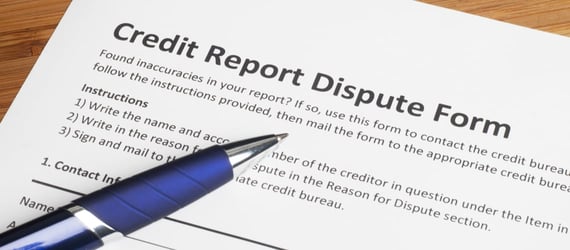
On the contrary, when you successfully dispute negative information, the bureau must promptly remove it from your credit report. This can only serve to boost your credit score, perhaps changing your bad credit to good.
The one possible way for a credit dispute to cause further damage is if it uncovers additional negative acts not previously reported. We aren’t suggesting that this happens much (if at all), but it’s something all consumers should know when reviewing their free credit report.
The sooner you can have inaccurate information removed, the better. The reason is that the impact on your credit score diminishes over time, so you would like to remove negative items as soon as possible to get the maximum benefit.
What Is a Violation of the Fair Credit Reporting Act?
The FRCA offers several protections to consumers. It also identifies several violations that credit bureaus must avoid, including:
- Applying late fees to debts paid on time.
- Distributing credit history information despite evidence of identity theft.
- Failing to investigate disputed debt within 30 days.
- Failing to correct inaccurate credit history information,
- Failing to provide a free credit report when obliged to do so.
- Failing to provide the results of the investigation.
- Reporting a previously settled debt.
- Reporting information older than seven years.
- Submitting information to a credit reporting agency that is incorrect.
Normally, you would expect a credit reporting company to take corrective action right away if confronted with a credit dispute proving an FCRA violation. Failure to do so opens the door to lawsuits you can pursue with the help of a credit attorney.
Credit Report Dispute Attorneys May Be Able to Help
Our review of credit report dispute attorneys reveals several reputable law firms that can help you seek redress for a credit bureau’s non-compliance with the law. Several of these firms also provide the less-involved services offered by the credit repair organizations BadCredit.org regularly reports on.
Whenever you contemplate using a credit lawyer, we suggest you perform a little due diligence first. You can do so by consulting lawyer review sites, a consumer report source, the American Bar Association, your state’s bar association, or your state’s supreme court.