

Writer: Gerri Detweiler


Editor: Jon McDonald


Reviewer: Ashley Fricker

Collection accounts can quickly tank your credit scores. If one appears on your credit reports unexpectedly, it can also create a moment of panic.
Before you let your mind go to the worst-case scenario, step back and realize a collection account on your credit report may not be there for long.
“Consumers should never confuse a reported debt with a proven debt,” says Jeffrey Hyslip, consumer protection attorney and the founding member of Hyslip Legal, LLC. “The appearance of a collection account should switch consumers into investigation mode, not payment mode.”
Here are four reasons collection accounts can appear without notice on your credit reports, and steps you can take if they do.
1. Debt Parking and Passive Collection
Most of us assume that if we don’t pay a debt, we’ll be notified before it is turned over to collections or reported to the credit bureaus. But that’s not always the case. Sometimes consumers only learn about them when they show up on their credit reports.
Debt parking is described by the Federal Trade Commission (FTC) as:
“The practice of placing purported debts on consumers’ credit reports without first attempting to communicate with the consumer about the debt.”
It’s also sometimes referred to as “passive collection,” though the FTC points out “there’s nothing passive about the injury it can inflict”.
In at least one high-profile case, the FTC took action against a collection agency that allegedly “reported … more than $98 million in bogus or highly questionable debts” even though “80% to 97%” of the debts that were disputed turned out to be inaccurate or invalid.
2. Accounts That Slip Through the Cracks
Debt collection can be a messy business. Unpaid debts go through a recovery process that can be handled very differently depending on the type of debt and who is trying to collect it.
Some creditors try to collect debts before they turn them over to debt collectors, while others outsource the recovery process quickly.
Debt can change hands, sometimes multiple times. And even lenders who process thousands of “charged-off” accounts (those written off the books as bad debt) may lose track of accounts for a period of time.
Along the way, accounts may slip through the cracks only to be picked up later. Sometimes, those older debts are missing the paperwork needed to prove they are valid.
3. Clerical Errors and Communication Gaps
A collection agency may target the wrong person. The most common last names in the U.S., according to the 2020 Census, were Smith, Johnson, Williams, Brown, Garcia, Miller, and Rodriguez.
If you have a common first and last name, your credit file could possibly get mixed up with someone else’s who shares your name.
Clerical errors may include wrong dates, addresses, Social Security numbers, or other key information that results in files getting mixed up.
Collection accounts may only appear on credit reports for a specific period of time. If dates aren’t recorded correctly, or if an account is sold to another collection agency and the correct dates aren’t transmitted, it’s possible a debt can get picked up and reported later than it should.
If you dispute an account, it may get shuffled to the bottom of the pile, only to be picked up by another debt collector later. Over the years, I’ve heard from many people who have refused to pay a cellphone bill after they thought they were overcharged, and the next thing they knew, they were hearing from a collection agency.
Whether you can’t pay a bill or refuse to pay it because you believe it’s not entirely correct, understand that it could later show up on your credit reports.
4. Medical Billing and Insurance Complexities
An estimated $194 billion in medical debt was in active collection, according to the research report Medical Debt and Collections in the United States.
Not all collection accounts affect your credit. The major credit bureaus don’t report medical collection accounts that are less than a year old, less than $500, or that have been paid.
A number of states also have laws that restrict or prohibit reporting of medical collection accounts, or that do not allow lenders to use this information in credit decisions. Check protections in your state before you agree to pay.
“Hospitals, physician groups, laboratories, imaging centers, insurers, and collection agencies all touch the account,” warns Hyslip. “What looks like a debt collection problem is often really an insurance or billing issue that was never fully resolved.”
What You Can Do When an Unexpected Collection Appears
If a collection account appears on your credit report, Hyslip advises: “Do not panic, and do not immediately pay it.”
“Consumers naturally want to make the problem disappear,” he says, “but the better approach is to switch into investigation mode. Before deciding whether to dispute it, negotiate it, pay it, or seek legal advice, understand exactly what you are dealing with.”
He suggests consumers preserve evidence and build a timeline.
“Download your credit reports before anything changes,” he recommends. “Save collection letters, emails, text messages, and voicemail messages. Take screenshots if necessary. Once reporting changes, consumers sometimes lose the ability to prove what was originally reported.”
Request Formal Debt Validation
You have the right under the Fair Debt Collection Practices Act (FDCPA) to request validation of the debt.
A debt collector is required to send a written notice of the debt within five days of initial communication, and you then have 30 days to request validation of the debt.
“If the credit reporting comes before the consumer has any meaningful notice of the alleged debt, the timing deserves careful attention,” Hyslip warns.
Dispute Directly with Credit Bureaus
You can dispute a collection account you believe is incorrect directly with the credit bureaus.
While you can do that online, you may want to take the extra step of writing a dispute letter and mailing it to the credit bureau via certified mail so you have proof of delivery.
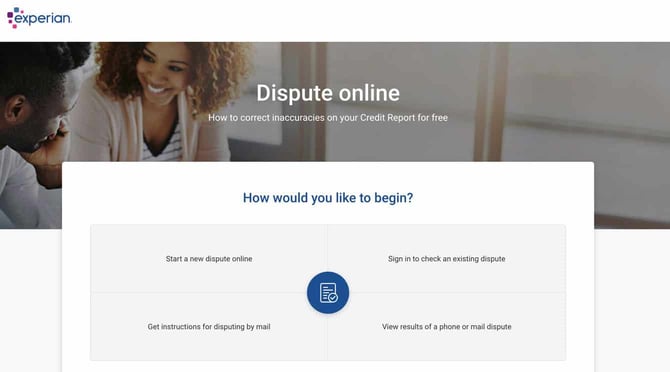
“Online systems often limit explanations and supporting documentation,” notes Hyslip. He also recommends against using dispute letter templates.
“Generic disputes often produce generic investigations,” he adds.
How to Prevent Future Surprises
Dealing with debt is stressful, but so is wondering what will happen if you don’t pay.
If you’re having trouble paying debt, consider reaching out to a credit counseling organization, try working out a payment plan with the provider, or talk with a consumer bankruptcy attorney.
If you owe debt to a hospital, check whether you are eligible for the hospital’s charity care program, which may reduce or eliminate your debt.
If you dispute a bill that you believe is incorrect, keep good records of your attempts to resolve the problem with the company. That proof may be helpful if you hear from a debt collector.
“Consumers should keep copies of everything they submit and everything they receive,” Hyslip notes. “One of the biggest mistakes I see is people handling everything by phone and then having no record months later of what was said or what was disputed.”
Don’t Let Debt Collections Sneak Up On You
When it comes to debts you can’t or won’t pay, don’t assume no news is good news. A debt that has gone quiet can resurface on your credit reports months or years later.
Keep records of any debts you dispute and follow up if you don’t hear back. If you do hear from a debt collector about an old debt, investigate its validity before you make a payment.
Never agree to pay a debt if you’re being pressured to pay using crypto, a wire transfer, or gift cards. It’s almost certainly a scam.
Monitor your credit reports regularly, so if a new collection account appears, you can respond quickly. You can check your credit reports for free at AnnualCreditReport.com or use a credit monitoring service.
The sooner you spot an unexpected collection account, the more options you have to investigate, dispute, or negotiate it.

