

Writer: Lucy Lazarony


Editor: Adam West


Reviewer: Ashley Fricker

Key Takeaways
- The Minnesota Attorney General Keith Ellison is suing personal finance app Brigit alleging its earned wage access program is violating state payday lending laws.
- Brigit plans to defend its product and says the lawsuit could cut off access to a "safe, affordable alternative to overdraft fees, payday lenders, and high-interest credit cards."
- The Federal Trade Commission took action against Brigit in November 2024 and Brigit agreed to settle the charges.
Minnesota Attorney General Keith Ellison has filed a lawsuit alleging personal finance app Brigit violated the state’s payday lending laws.
Ellison alleges that Brigit is an unlicensed, unregistered small-loan and short-term lender making online variations of payday loans to Minnesota consumers.
The state alleges that the annual percentage rates Minnesota consumers pay on Brigit advances regularly exceed 300%, with some exceeding 700%. Ellison also says that Brigit does not disclose these high borrowing rates to consumers.
In Minnesota, state law caps the annual percentage rate that consumer short-term loan lenders may charge at 50%.
Ellison’s office alleges Brigit has issued tens of thousands of small, short-term advances to Minnesota consumers without complying with Minnesota lending laws.
Brigit Pushes Back on Claims
BadCredit reached out to Upbound Group, which completed its acquisition of Brigit in January 2025, and received the following comments from Farah Remtulla, Chief Operating Officer at Brigit.
Brigit has more than 1 million active, paying subscribers and almost 1 million free subscribers, according to an Upbound Group press release.
“The Attorney General’s lawsuit mischaracterizes Brigit’s earned wage access product as a payday loan, and if successful, would cut off tens of thousands of Minnesotans from a safe, affordable alternative to overdraft fees, payday lenders, and high-interest credit cards,” Remtulla told us.
“Brigit has operated in Minnesota for years, serving thousands of customers, with only a handful of complaints — a track record that speaks for itself,” she said.
“Brigit will defend this product, and the working Minnesotans who rely on it, vigorously.” — Farah Remtulla, Chief Operating Officer at Brigit
Twelve states now have laws in place to regulate EWA with 19 other states with legislation pending. The Brigit team explained its product this way.
“Brigit’s product is free to use,” Remtulla said. “Brigit charges no interest, no late fees, and no penalties if a customer cannot repay the earned wage access transaction.”
Remtulla’s comment referred to the earned wage access transaction, while Brigit also operates paid and free subscription tiers.
Remtulla said the company plans to fight the lawsuit.
“Brigit will defend this product, and the working Minnesotans who rely on it, vigorously,” Remtulla told us.
Minnesota Says It’s Holding Brigit Accountable
“As Attorney General, it’s my job to protect consumers from businesses that try to evade the law and take advantage of people who take desperate measures to afford their lives,” Ellison said. “Regardless of how Brigit markets itself, the advances it offers consumers in need of cash are clearly loans.”
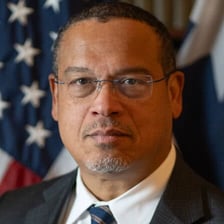
He added that Minnesota lawmakers have already chosen to regulate lenders like Brigit.
“The legislature has wisely chosen to regulate lenders like Brigit carefully to keep short-term borrowers from being exploited and falling even further into debt,” Ellison said.
“To operate in Minnesota, Brigit needs to comply with these laws when advancing funds for profit, as all payday lenders do. I’m bringing this lawsuit because it’s my job to protect consumers and enforce the law to protect consumers.”
Brigit Previously Settled FTC Claims Over Its App
The Federal Trade Commission sued Brigit in 2023, alleging the company deceptively promised “instant” cash advances of up to $250 to people living paycheck to paycheck.
The FTC also alleged that Brigit locked consumers into a $9.99 monthly membership that they said was difficult to cancel.
Brigit agreed to settle the charges and pay $18 million in consumer refunds, according to a proposed court order. In November 2024, the FTC sent more than $17 million in refunds to Brigit customers.
Minnesota Says Advances Should Be Treated Like Loans
Brigit offers an app where consumers can access earned wage advances. But Ellison contends that Brigit speaks about these advances and treats them as loans. Here are five examples he offered in a press release:
- Ellison alleges Brigit requires consumers to preauthorize deductions from their accounts for the advance amount plus any fees at a future date.
- Ellison contends Brigit does not disclose in its app that repayment of the advance is voluntary.
- There is no cancel mechanism in the Brigit app or disclosure of how a consumer may cancel a payment.
- Brigit offers consumers extension credits, and consumers may only use them a specified number of times.
- When Brigit customers reach out to customer service, which is necessary for canceling, the company’s responses reinforce the belief that the loan must be repaid.
Because Ellison says these advances function as payday loans, his office argues Brigit must comply with Minnesota laws governing those products.
For now, the lawsuit targets Brigit. But the outcome could matter for the broader EWA business


