

Writer: Eric Bank


Editor: Lillian Guevara-Castro


Reviewer: Adam West

Key Takeaways
- New York's lawsuit against Early Warning underscores that fraud can mimic borrower distress, making it critical for lenders to distinguish scams from genuine credit risk in their scoring models.
- When fraud-related transactions go untagged, the resulting noise can distort model performance and mask actual repayment patterns, weakening lender insights.
- Scam-related borrower distress can increase delinquencies and complicate portfolio management if not properly identified and managed.
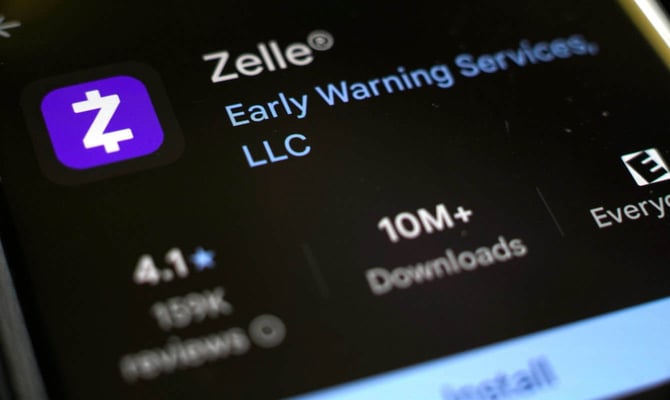
New York State Attorney General Letitia James filed a lawsuit Wednesday, accusing large bank-owned Early Warning Services (EWS) of allowing rampant consumer fraud on its popular, peer-to-peer payments platform Zelle.
The suit accuses EWS, which is owned by a group of major banks including JPMorgan Chase, Capital One, Bank of America, and Wells Fargo, of failing to implement even the most minimal of security controls, and the result from 2017 to 2023 has seen more than $1 billion in consumer losses.
In the suit, EWS had no proper user verification, failed to adequately look for fraud, and rejected complaints by clients. The suit seeks restitution for consumers, damages against EWS, and added mandates for anti-fraud controls. The aforementioned banks that own Zelle were not named in the suit.
Although the Consumer Financial Protection Bureau had filed a similar case earlier, it was dropped by the Trump administration.
James argues that EWS had proposed certain safeguards as early as 2019 but waited until 2023 to implement them, even as fraud reports surged. Her office cites multiple examples of consumers deceived into sending money through Zelle and then denied help when trying to recover their funds.
The case is of interest to financial service companies, particularly those in subprime credit, online lending, and credit scoring. The litigation has implications for behavioral risk management, accuracy of credit models, forecasting delinquency, and regulatory demands for protecting against fraud.
Subprime Behavior Fraud Risk Indicators
Subprime borrowers are relatively more susceptible to scams and in particular, to the exploitation of such P2P tools as Zelle without full understanding of the risks.
Unexpected gaps in payments or inconsistent transactions by such subprime borrowers after the event of scams can easily resemble regular credit distress.
That creates the risk that credit scoring algorithms may misinterpret scam-related arrears as signs of genuine financial trouble.
Lenders that rely on behavioral underwriting must factor in the kinds of anomalies that stem from fraud. Without supplemental filters or fraud-smart logic, such as rules for singling out unconventional payment behavior or sudden balance changes, the models can incorrectly reclassify abuse victims as riskier defaulters by nature.
That can translate into the kind of elevated interest charges, diminished credit access, and biased risk profiling.
Model Integrity Issues in Subprime Lending
Zelle and similar apps are often used by underbanked or thin-file consumers. When fraud skews their transaction histories, it disrupts model continuity and weakens predictive power.
A sudden financial shock from a scam may trigger repayment irregularities or balance spikes that look like borrower-driven distress but are actually fraud-driven.
Clearer systems are needed to flag and isolate known fraud cases. Without that context, such outlier events can skew risk indicators and frustrate credit decisions.
Incorporating registered scam cases into fraud-centric training data would help models distinguish fraudulent patterns from genuine signs of credit deterioration.
Portfolio Health and Delinquency Trends
Borrower fraud can trigger broader portfolio vulnerabilities for subprime lenders. Scam-perpetrated account draining — of any size — can push borrowers into delinquency and lead to charge-offs in already high-risk segments.
Scams of this nature can cause more than financial loss but also result in elevated delinquencies and charge-offs in vulnerable groups.
Borrowers may also see higher balances or interrupted auto-payments as they struggle with the aftermath of fraud. That puts a wrench in collection systems, leaving lenders uncertain about future repayment schedules.
Without clarity into the nature of the fraud event, standard risk management tools can misread the borrower’s situation.
Regulatory Pressure and Fintech Responsibility
The Zelle case also signals mounting scrutiny of fintech platforms and their partners. Regulators are focusing on how weak fraud protections can push vulnerable consumers into financial distress — creating both reputational and compliance risks for subprime online lenders.
Institutions need to evaluate how they respond to borrower fraud claims and whether their processes give borrowers timely answers, explain outcomes clearly, and offer ways to dispute or appeal decisions.
Poor handling can draw legal attention and erode trust. Regulators may also begin asking whether lenders have done enough to distinguish fraud from financial mismanagement in their risk models and collections procedures.
Subprime-Specific Innovations for Fraud Risk
Despite the risks, the case provides the subprime market with the opportunity to improve and reengineer itself. Lenders can redesign their models with stronger fraud detection, using behavioral warning signs such as unusual transfer patterns or out-of-sequence loss events.
They can also provide customized borrower assistance — like temporary hardship modifications — for verified fraud victims.
Restoration tools may emerge as a new remedy. Products under this category could enable fast credit restoration for victims without subjecting them to penalties.
Giving borrowers tips and practical illustrations of payment scams could help save the day for users on the verge of falling into such traps.
The Zelle case highlights the need to integrate fraud awareness into risk frameworks. For lenders who work with at-risk borrowers, fraud is no longer just a platform-level problem — it affects portfolios and models and must be addressed proactively.


