

Writer: Eric Bank


Editor: Lillian Guevara-Castro


Reviewer: Adam West

Key Takeaways
- A recent editorial in Credit Union Today struck a blow against lumping credit unions together with shadow banks.
- The editorial timing coincides with regulators tightening their focus on nonbank lending.
- The editorial calls for clearer rules to help keep credit unions from being compared with high-risk private lenders.
An editorial by Jason Stverak, Chief Advocacy Officer at the Defense Credit Union Council, fights back against a “false equivalence” between credit unions and unregulated shadow banks.
He points out that the National Credit Union Administration (NCUA) closely oversees credit unions. Stverak’s fear is that credit unions will be treated like nonbank and other subprime lenders.
The controversy regarding nonprime lending follows the collapse of Tricolor and First Brands, both big players in the subprime lending sector. A few large banks lost money, but Stverak points out that credit unions were not involved — they lend to members only.
Credit Unions Operate Under Strict Rules
Credit unions must operate according to strict regulations. They can’t chase yields like private lenders do. The National Credit Union Administration plays the role of overseer. The NCUA ensures that credit unions lend responsibly.
For example, federal law caps most credit union business lending at 12.25% of assets. That means they can’t take the kind of outsized risks that led to the shadow banking mess. Credit unions must live up to their responsibilities.
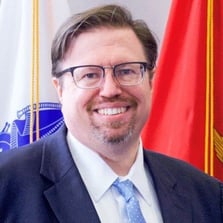
“Credit unions do not engage in speculative, high-yield deals with ‘little or no repayment history’; instead, they make community-based loans to their member-owners. With banks commanding over 91% of U.S. financial assets (two megabanks alone outrank the entire credit union sector), credit unions remain relatively small, well-contained player,” said Stverak.
Most credit unions have strict rules for membership. Applicants must usually meet at least one requirement to gain membership, including where you live, work, or worship.
So credit unions know their members — often local small businesses and households. Naturally, this limits exposure to speculative deals, which benefits members and the broader financial system.
Shadow Lenders Face Little Oversight
Shadow lenders operate with few restrictions. Investors put up the money for high-risk loans without the usual safeguards. They make loans when others won’t. As these lenders grow, regulators worry that they may harm the economy.
Research from the Federal Reserve indicates shadow banking needs stronger, better-targeted oversight to keep credit markets stable. Banks are restructuring into shadow banking to lessen the regulatory burden, according to the Fed.
Shadow lenders don’t have to operate under NCUA regulations. CU Today argues that the playing field isn’t level — the funding and accountability are vastly different.
Why the Distinction Matters for Subprime Lending
Confusing responsible credit unions with shadow lenders could hurt the people who rely on them most. Credit unions may be blocked from serving credit-challenged borrowers if regulators set new limits based on this false link.
Bottom Line
Credit unions don’t belong to the shadow banking world. These regulated institutions are responsible lenders. Treating them as if they were risky lenders would be unfair and harmful.
