


Writer: Aaron Crowe


Editor: Lillian Guevara-Castro


Reviewer: Ashley Fricker

Just because you pay an old bill from a collection agency doesn’t mean it’ll be removed from your credit report soon. A paid collection might still affect your credit score for years. But don’t worry, help is available, and we’ve compiled a list of the best services to help you remove collections from your credit report.
Removing a collection account from your credit report — even if the account has been settled or paid — is a good idea because a collection account that has a zero balance can remain on a credit report for up to seven years from the date of the default, according to the Fair Credit Reporting Act, or FCRA.
Collections are an indication that you’ve previously defaulted on an account. They can lower a credit score, which is used with your credit history by future lenders to determine if you’re approved for a loan and how much you’ll be charged for financing.
If you’ve settled a collection account, it might be worth removing if it’s incorrect or outdated. You can dispute the account with each credit bureau, and under the FCRA, they must investigate your claims.
Services | FAQs | Methodology
Top Credit Repair Services For Removing Collections
Credit repair services can help consumers remove false information from credit reports and thus improve their credit scores. Incorrect information can include late payments that aren’t yours, or paid collections that are older than the seven years they’re allowed by law to be on credit reports.
Here are our top choices for the best services for removing collections from a credit report:

- Since 2004, Lexington Law Firm clients have seen over 84 million removals from their credit reports
- Get started today with a free online credit report assessment
- Cancel anytime
- See official site, terms, and details.

| Better Business Bureau | In Business Since | Monthly Cost | Reputation Score |
|---|---|---|---|
| See BBB Listing | 2004 | $139.95 | 8/10 |
Lexington Lawis a credit repair app run by a law firm with attorneys and legal aides who work on your behalf to challenge negative items with the credit bureaus and your creditors. Since 2004, Lexington Law Firm clients saw over 84 million items removed from their credit reports.
The service costs $139.95 per month, and the average client continues the service for six months.

- Best-in-class support
- In business since 1989
- Rapid 35-day dispute cycle, tailored to your situation
- 90-day 100% money-back guarantee
- Low $79 cost to get started, cancel or pause membership anytime
- See official site, terms, and details.
| Better Business Bureau | In Business Since | Monthly Cost | Reputation Score |
|---|---|---|---|
| A+ | 1989 | $79 | 9.5/10 |
Sky Blue Credit Repair® disputes 15 items — five items per credit bureau — every 35 days with customized disputes, re-disputes, and statute of limitation research on debt items. It also identifies untapped opportunities when reviewing credit reports to give customers practical advice on how to raise their credit scores.
Sky Blue Credit Repair offers a 90-day, 100% money-back guarantee on its $79 monthly plan.

- Free online assessment
- CreditRepair.com members saw over 8.8 million removals on their credit reports since 2012
- Free access to your credit report summary
- Three-step plan for checking, challenging and changing your credit report
- Online tools to help clients track results
- See official site, terms, and details.
| Better Business Bureau | In Business Since | Monthly Cost | Reputation Score |
|---|---|---|---|
| See BBB Listing | 2012 | $69.95+ | 8/10 |
CreditRepair.com offers customized tools through an online dashboard and mobile application that allow clients to track the status of their disputes and follow changes in their credit score.
CreditRepair.com members saw over 8.8 million removals on their credit reports since 2012.
FAQs About Removing Collections From a Credit Report
Collections can stay on credit reports for up to seven years from the date of default on the original account. So, if you have a bill that was 180 days past due, it could stay on your credit report for up to seven years after its six-month past due mark.
That’s seven and a half years after you got the original bill, and a long time for an old bill to be haunting your credit report. Here are some answers to common questions about removing collections from a credit report.
How Do I Get a Paid Collection Off My Credit Report?
When an unpaid bill is sent to a collection agency, you’ll usually notice the collection account appear on your credit reports quite rapidly. It might not be on every report, but where it does show up, it can stay for up to seven years—even if you’ve settled it.
To get a paid collection off your credit report early, you may have to hire an attorney or credit repair service to fight on your behalf.
However, since the collection has been paid off, it’s unlikely that you’ll be disputing the validity of the collection account or that the credit bureau is reporting inaccurate information.
If you believe the information the credit bureau has is wrong, then you can write a dispute letter to the three major credit bureaus challenging the accuracy of the information on your credit reports. For example, a collection that is more than seven years old but is still listed on your credit report should be resolved by filing a dispute with a credit bureau.

If the information is wrong or the collection account can’t be verified, the credit bureau is required to remove it from your report. You’ll need to handle each credit bureau individually to sort out each dispute.
If a paid collection on your credit reports is accurate, you can still get it removed early. One method is to ask the current creditor —the original creditor, such as the credit card provider or a debt collector — to make a “goodwill deletion.”
This is a letter you write to the collector explaining why you want this old debt removed. You may be applying for a mortgage loan, for example, and since you paid off the original collection, you’ve shown that you can pay off your debts and are asking for help in applying for a home loan.
While the creditor might not grant this favor, it never hurts to ask. You’re not writing the letter to contest an error, but highlighting a mistake that wasn’t your fault and wasn’t corrected could work in your favor.
If there was a technical error in processing your payment and you tried to pay your bill, or if this is just one mistake you made on your credit history, then a creditor may think it’s reasonable not to hold it against you.
The best chance of a goodwill letter to an original creditor being successful is if you have a great credit history and had only this one isolated error or a short series of late payments.
Can Collection Agencies Remove Items from My Credit Report?
Collection agencies can remove collection accounts from your credit report, but it may not work for a few reasons.
Called pay for delete, this practice is where debt collectors erase collections in exchange for payment of the account. You may have heard of this practice before and can initiate it by calling or writing the debt collector with a proposal to pay off the account if they remove it from your credit reports.
Credit reporting agencies don’t like this practice because it’s an attempt to remove accurate information from their reports. Also, creditors are obligated by law to report accurate and complete information when reporting to credit bureaus.
The credit bureaus ask collection agencies not to perform pay for deletes and sometimes ask them to sign agreements ensuring they won’t do this. If the collection agency violates such an agreement by not reporting an account it was paid to delete, it could lose the right to report information to credit bureaus and would likely be out of business.
If credit bureaus didn’t require avoiding pay for deletions, collection accounts would frequently disappear from credit reports, and these reports wouldn’t truly reflect someone’s creditworthiness. Imagine constantly getting a mulligan in golf or retaking a test until you ace it.
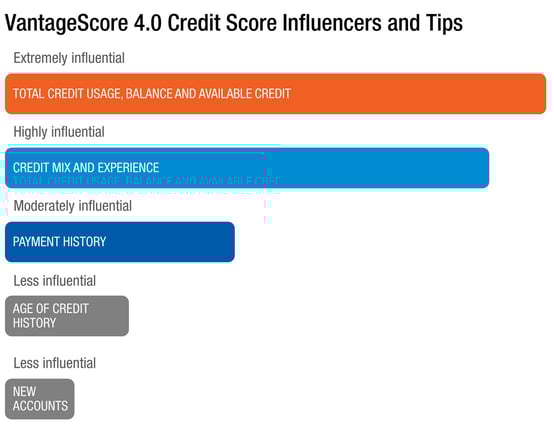
Even if an account is deleted, it may not matter anyway because the latest credit scoring models — FICO 9 and VantageScore 4.0 — ignore collection accounts that are paid. The paid account will still be on your credit report, but it will hurt your credit score less than if it weren’t paid.
No matter what — if anything — a collection agency removes from a credit report, the original information reported by the original creditor that led to an account going to collections will still likely be on your credit report. Late payments that led to collections will still be reported by the original creditor.
How Long Does it Take For a Paid Collection to Come Off My Report?
Paying a collection account without getting it removed usually won’t improve your credit scores. As long as the collection account remains on the credit report, it will hurt your credit scores — though some recent credit scoring models don’t give it much weight, if any.
What makes a paid collection come off your credit report? Time. Lots of it.
It takes seven years for a paid collection or other negative information to fall off a credit report. It can run as long as seven and a half years because the clock can start running six months after you first fell behind with the original creditor. The debt collector may not report it until six months after the debt started.

Before those seven or so years transpire, a paid collection would have less of a negative impact on a credit score over time. If you’re building your credit with new and positive credit habits, such as paying your bills on time, that will have more of an impact on credit scores than old collections that were paid off.
The seven-year clock for debt collections starts from the date of the delinquency with the original creditor that caused the collection, not when the debt collector took over the account or collected the debt.
To keep track of those seven years, keep written evidence of the date of the delinquency, such as a bill from the original creditor. Many creditors will wait until the original bill is at least 120 days past due before hiring a collection agency or selling the account. Keep track of the first late day that your bill was due.
A collection agency may try to push back the start date, which would keep the debt on a credit report longer.
How Many Points Will My Score Increase When a Collection is Removed?
Your credit score is always fluctuating. Positive and negative events can be added or removed, but usually, new information gets added before old items disappear.
The latest scoring models, FICO 9 and VantageScore 4.0, mostly ignore paid collections. The accounts will still be on your credit report, but they won’t hurt a score as much as not paying the account would.
Many creditors, however, are still using older FICO versions. FICO 8 overlooks collections under $100, but the version used by mortgage lenders still considers all collection accounts. It’s a good idea to ask your lender which credit scoring model it relies on before you apply.
Estimating how much a credit score can increase when a collection is removed is tricky. If you regularly check your score and know what it was before the collection appeared, you can compare it to see the difference once it’s deleted.
If your score dropped by 50 points when a collection was added, it should go back up by 50 when it’s removed. Your lender might be able to give you an idea of what changes to expect.
There are reports of credit scores rising by more than 100 points within 45 days of paying off collection accounts.
The older a paid debt, the less it affects your credit score, so getting rid of an old collection won’t make a huge difference compared to adding a new one. If a debt is old, say about five years, and you don’t plan on buying a home or needing a loan soon, it might be best to wait until it hits seven years and drops off your credit reports automatically.
When it comes to removing collections from credit reports, time is on your side.
Ranking Methodology
Our rankings of the best services for removing collections from a credit report are based on Better Business Bureau ratings, reputation scores, monthly costs, and overall customer satisfaction with each service provider. BadCredit.org’s reviews undergo a thorough editorial integrity process to ensure that content is not compromised by advertiser influence.


