

Writer: Eric Bank


Editor: Lillian Guevara-Castro


Reviewer: Adam West

Key Takeaways
- JPMorgan CEO Jamie Dimon warned that recent bankruptcies may signal deeper risks in the credit market — especially in subprime auto lending.
- Blue Owl Capital's Marc Lipschultz fired back, saying the real problems lie in bank loans, not private credit.
- BlackRock leaders downplayed the threat, calling the bankruptcies isolated.
A storm has erupted over the recent bankruptcy of Tricolor Holdings, an auto lender, and First Brands, a car parts maker.
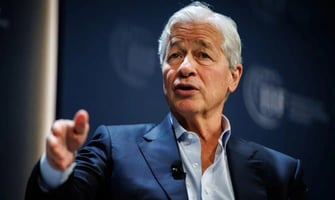
Some financial heavyweights, including JPMorgan Chase CEO Jamie Dimon, see signs of deep troubles in the credit markets, saying, “I probably shouldn’t say this, but when you see one cockroach, there are probably more.” Unsurprisingly, the comments rattled Wall Street.
Dimon’s harshness may be the result of his bank’s $170 million loss on Tricolor. He feels more losses are on the way. Some analysts blamed too many years of easy credit in the subprime auto sector. The result is a glut of risky loans. For lenders, it means more delinquencies and tighter approval standards.
Dimon also referred to risks among private credit firms that use business development companies. He warned that Business Development Companies (BDCs) could face higher-than-normal losses if the economy falters.
These Business Development Companies are hybrids between private-equity funds and mutual funds, but trade publicly on exchanges. Their willingness to finance risky borrowers makes them vulnerable to financial pressure if the economy sours.
Rising borrowing costs and reticent funding sources are headaches for subprime lenders. Auto loans are defaulting at a high rate, so it’s understandable why nonbank lenders are tightening loan approvals. The increased risk has investors demanding higher returns.
JPMorgan Chase is not the only lender licking its wounds. Other major banks, including Jefferies and UBS, are also exposed to First Brands.
Seen in this light, Tricolor and First Brands may be the proverbial canaries in the coal mine, highlighting fragility in the subprime lending markets. This may be especially true for auto and personal loans.
A Clash Over the Cause
Marc Lipschultz, co-CEO of Blue Owl Capital, was less gloomy. He cast the blame on banks more than private credit. Lipshultz said that the two bankruptcies showed weaknesses among syndicated bank loans, not direct private loans. “I guess [Dimon’s] saying there might be a lot more cockroaches at JPMorgan,” he joked.
Lipschultz insisted the private-debt market is still strong. He pointed to the fact that both bankrupt companies relied on traditional bank financing. His own BDC fell 15%) over the last year.
BlackRock’s Calmer View
BlackRock took a middle road. CFO Martin Small said the bankruptcies look like isolated cases tied to deep subprime or possibly fraudulent lending. He said the overall credit quality of borrowers remains “generally strong.”
Small added that when banks and syndicated loan markets pull back, private credit may get new opportunities to grow.
Small’s comments helped calm things down a bit. He said his direct lending portfolio wasn’t hit hard by the dual bankruptcies. Tellingly, his firm pulled back investments from a Jefferies fund linked to First Brands debt.
Still, some analysts said the bankruptcies contributed to a slowdown in the credit rally. This may be a sign of investor caution toward consumer and auto lending.
What It Means for Lenders
The comments from Dimon, Lipschultz, and Small show how sharply lenders are split as to where credit risk really lies. Subprime lenders already face tighter margins, higher funding costs, and greater scrutiny from investors.
If Dimon is right, traditional banks may reduce exposure to nonprime loans. This will leave smaller lenders to absorb more risk.
That retreat could cause private-credit firms to step in and expand their share of subprime lending. Doing so may create opportunities for higher yields. It also means more default risk in a volatile environment. The problem for subprime lenders is how to balance profits and risk.
If Blue Owl and BlackRock are correct, these recent bankruptcies might be isolated cases. They offer a chance for private credit to grow stronger. Lenders will be watching the auto finance market closely for any more signs of weakness.
The truth probably is somewhere between panic and denial. Credit markets may not be swarming with cockroaches, but there’s enough noise to keep lenders alert.


