



- Personal loans starting at $1,000
- Find loans you prequalify for, complete your application, and close your loan
- Loans for 300+ FICO Scores
- Checking rates doesn’t impact your credit score
- Powered by Credible
- See official site, terms, and details.

I'd try Upstart first if I had bad credit, just don't expect the lowest rates.

By: Jon McDonald
Editor: Lillian Guevara-Castro
Reviewer: Ashley Fricker
Disclosure: When you apply through links on our site, we often earn referral fees from partners. For more info, see our ad disclosure and review policy.
While I was able to avoid getting into debt during my college years, I was frequently on the brink. But if online loans were as accessible as they are today, I may not have had to struggle so much through every financial hiccup that came along.
Today, you can borrow thousands of dollars easily through a legitimate online loan marketplace like Upstart. However, you should still carefully consider if you really need to borrow money (and how much). Upstart allows you to submit one application and review offers from many different banks and credit unions to find one that fits your needs.
If you’re curious what that process looks like, I’m here to walk you through it. And I’ll help you understand the application, the pros and cons of using Upstart, and whether you’re out of luck if you have bad credit. (Spoiler alert: You aren’t!)
If you’re looking for a personal loan, there are two main ways to go about finding one:
1. Go directly to a bank, credit union, or other type of lender that evaluates your credit history and decides whether to offer you a loan from its own reserves.
2. Visit an online lending marketplace that connects you to many different lenders. This ensures your application information is seen by multiple partner lenders who can decide whether to make loan offers.
Upstart is primarily known as a loan marketplace, though it also offers direct home equity lines of credit (HELOCs) through Upstart Home Lending.
Instead of acting as a bank, Upstart serves as a bridge to more than 100 banks and credit unions. And while it specializes in matching you with personal loan offers, the marketplace can also connect you to car loan refinancing and, as I mentioned earlier, HELOCs.
Some of its other branded products, such as wedding loans or debt consolidation loans, are just personal loans by another name.
Rather than just being a middleman, however, Upstart uses its own AI models that partner banks and credit unions can reference when making their credit decisions. These models also look at your education and employment, instead of just your credit history.
That is great news for anyone who is credit-challenged but has a degree and/or stable income.
Instead of having to fill in dozens of applications to find the best offer, you submit one form through Upstart and see if you match with any lenders.
For personal loans, Upstart lets users request to borrow anywhere from $1,000 to $75,000, though the specifics vary by state. These come with fixed terms of three or five years, and you can get the funding as soon as the next business day, depending on how fast your bank processes the transfer.
Upstart also has a few other lending products that might suit you better, such as short-term relief loans. These come in amounts ranging from $200 to $2,500, with loan terms of 3-18 months.
Car owners may also want to consider Upstart‘s car refinance loans that have a $3,000 minimum borrowing amount but no stated maximum.
Those terms range from 28 to 84 months, although seven years is a long time to refinance an auto loan.
There is no fee to use Upstart to check for loan rates, and there’s no credit score impact either, as the platform just makes a soft credit inquiry.
Soft credit checks do show up on your credit report, but they only involve a surface-level look at your credit history, so they don’t lower your credit score.
However, if you go through with actually applying for a loan after you receive initial offers, that will trigger a hard credit inquiry. A hard pull can temporarily lower your credit score, so make sure you’re ready to move forward before filling out an application directly with a lender.
Once you apply for a loan and accept the offer, there’s typically a loan origination fee, which can vary significantly based on your situation and the lender you’re matched with.
The origination fee reduces the initial amount you receive. For example, if you’re approved for a $20,000 loan and have a $1,000 origination fee, you’d only get $19,000.
But you’d still be responsible for paying back the full loan amount — in this case, $20,000 — so make sure you pay attention to this fee before deciding on a loan offer.
Origination fees are always included in the annual percentage rate (APR), which helps you understand the true cost of loans, since fee types can vary by lender.
Some loans have high interest rates and low origination fees, or vice versa, so the APR can help you compare apples to apples.
As of the publication of this review, Upstart personal loan APRs range anywhere from 6.5% to 35.99%. While that’s a lower maximum than some competitors, especially payday loan providers, any double-digit APR is typically considered high-interest debt that generally makes borrowing expensive, so tread carefully.
Fortunately, Upstart lenders don’t have any prepayment penalties, so you might be able to save big money by paying off your loan faster than the minimum monthly payments require.
If you’re late to pay, though, you could see some additional costs. Usually, you’ll get a 30-day grace period, so if you forget to pay or the transfer goes awry, you might still be able to skirt late fees.
That said, it’s up to the lender you’re matched with, not Upstart. And regardless, the interest keeps accruing.
For Upstart short-term relief loans, however, there’s technically no interest — just an origination fee that gets folded into the APR — so being late doesn’t directly accrue interest.
Still, if you’re more than 30 days late, that generally gets reported to credit bureaus as a delinquency or default, which will hurt your credit score. But you may be able to pay a one-time fee to lower your monthly payments and extend your loan term.
Because Upstart is a marketplace, the eligibility criteria are relatively broad. Lending partners have their own criteria that could affect your offers, but you must generally:
Upstart stands out for considering your employment and education. You still need some credit history, as determined by partners, but this generally provides more paths for those with low credit scores or young borrowers who don’t have much track record and get ignored by big banks.
Still, you’ll need to meet some baseline credit requirements, like:
Note that different types of loans through Upstart may have slightly different eligibility criteria, and not all products are available everywhere. For example, car refinance loans aren’t available in Iowa, Maryland, Nevada, or West Virginia.
Also, even though Upstart considers your educational background, you don’t need to meet a certain threshold. If you never went to college, for example, that doesn’t mean you can’t qualify.
But if you did receive a higher education degree, that might help you overcome some lending roadblocks, such as having a limited credit history.
If you don’t meet these minimum requirements, you shouldn’t apply through Upstart.
Unlike some other lenders that let you bring on a cosigner, Upstart does not currently offer that option, so your credit decision is only based on your individual credit history and other personal information.
The Upstart loan process is quite easy. The platform uses AI to analyze your details and match you with relevant offers, though the number of offers can vary significantly depending on your situation.
You could be matched with one or multiple loans, based on your application. You may also not be matched with any lenders.
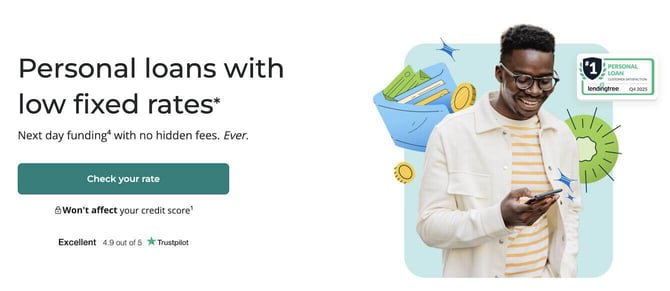
To get started with a personal loan application, I simply clicked on “Check your rate” on the homepage.
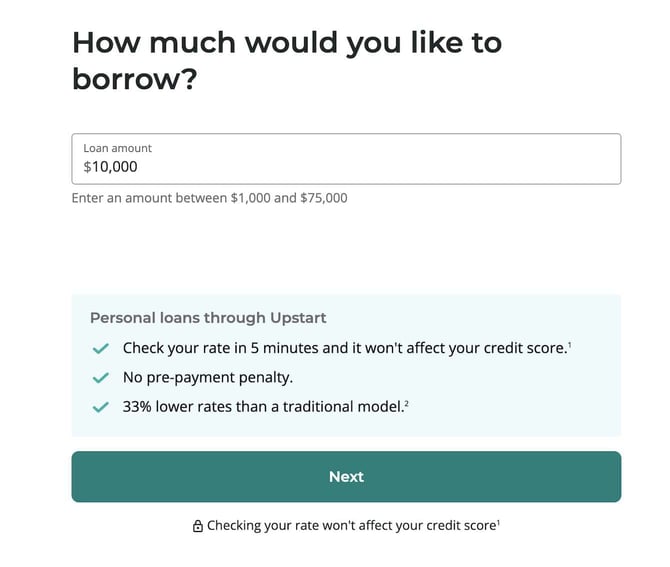
That took me to a screen asking how much I wanted to borrow, prompting me to stay within the $1,000-$75,000 range.
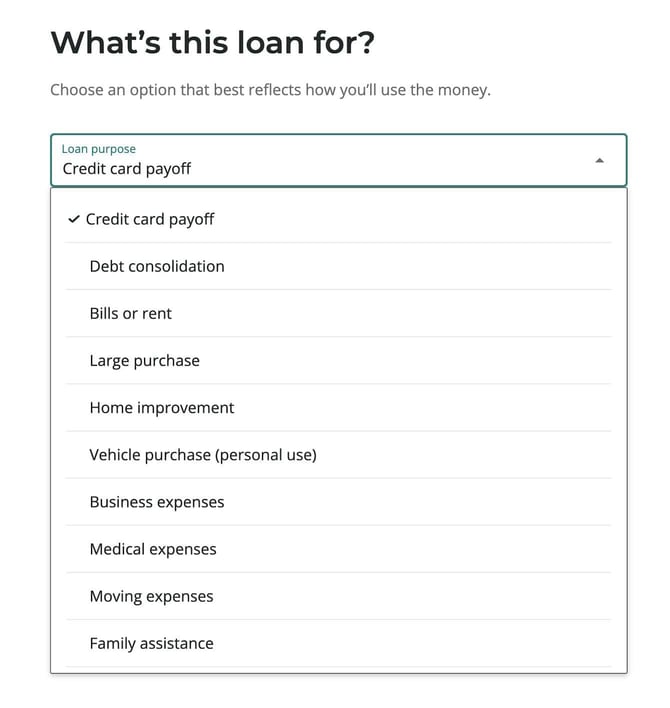
Then, it asked me what the loan was for, with options including credit card payoff, home improvement, and medical expenses, which could affect the loan matches.
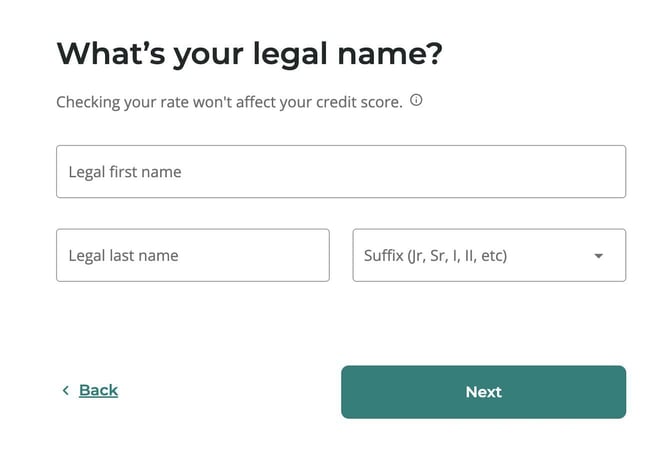
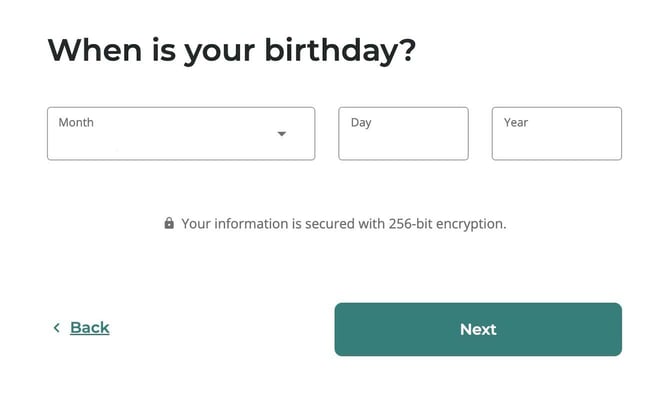
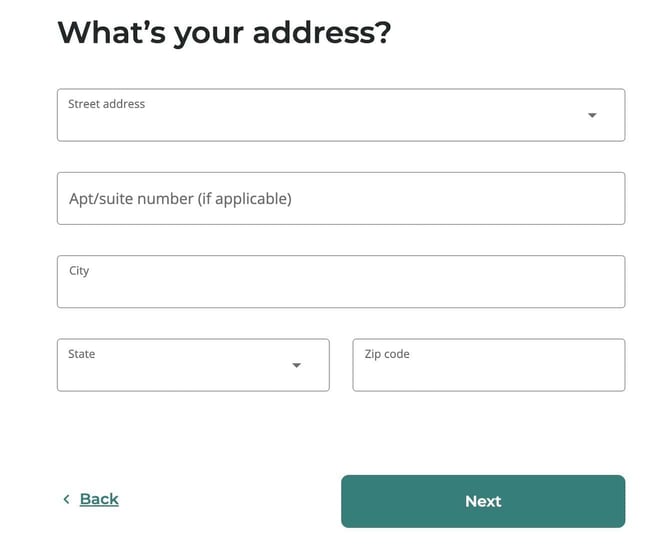
From there, Upstart asked for some basic identifying information, including my name, birthdate, and address. These will help verify my identity and match me only with lenders that operate in my state.
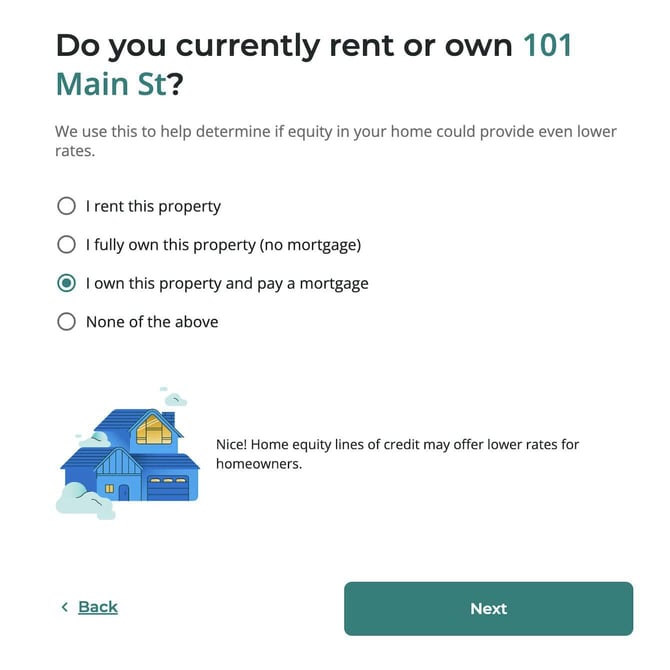
Next, the application asks if I’m currently renting or if I own my home. A perk of being a homeowner, in this case, is that you might be able to use your home as collateral to get lower rates.
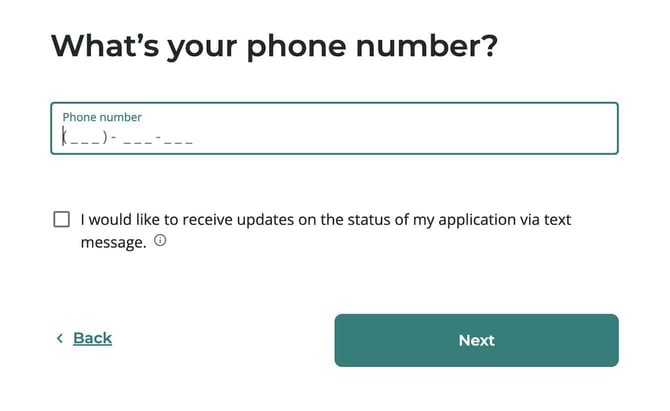
Then it bounced back to an identifier question, wanting my phone number, with an option to sign up for status update texts.
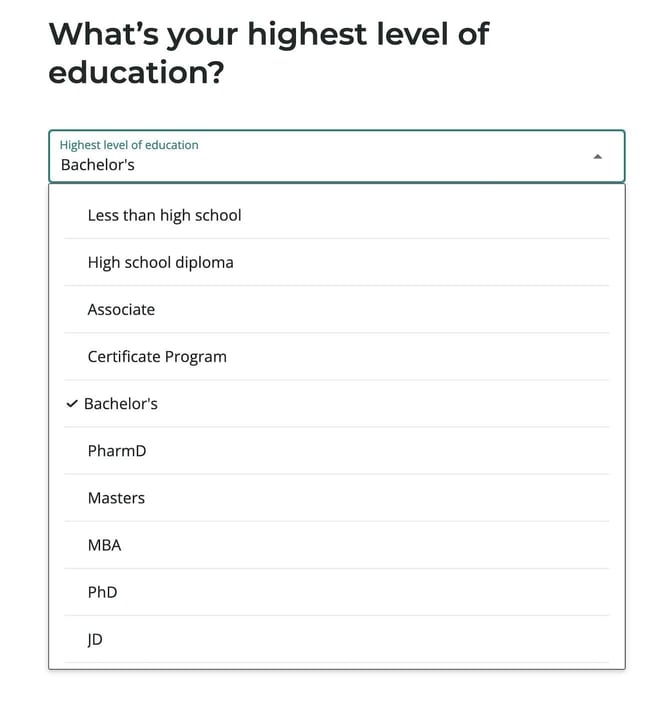
From there, I got to briefly relive my college days when the app asked me about my highest level of education attained.
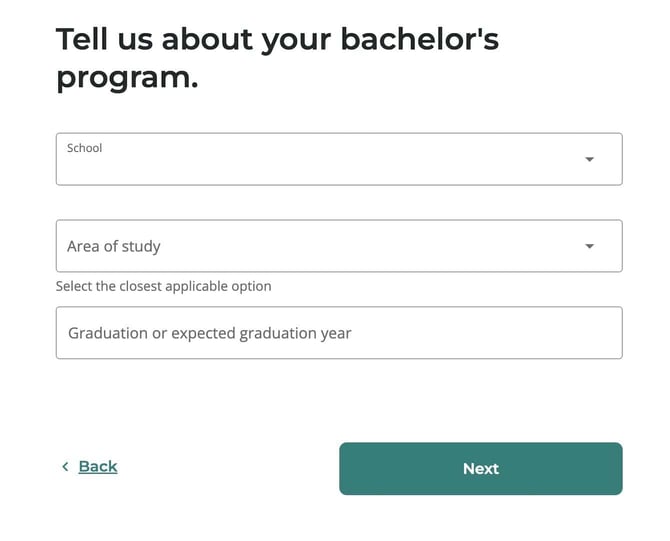
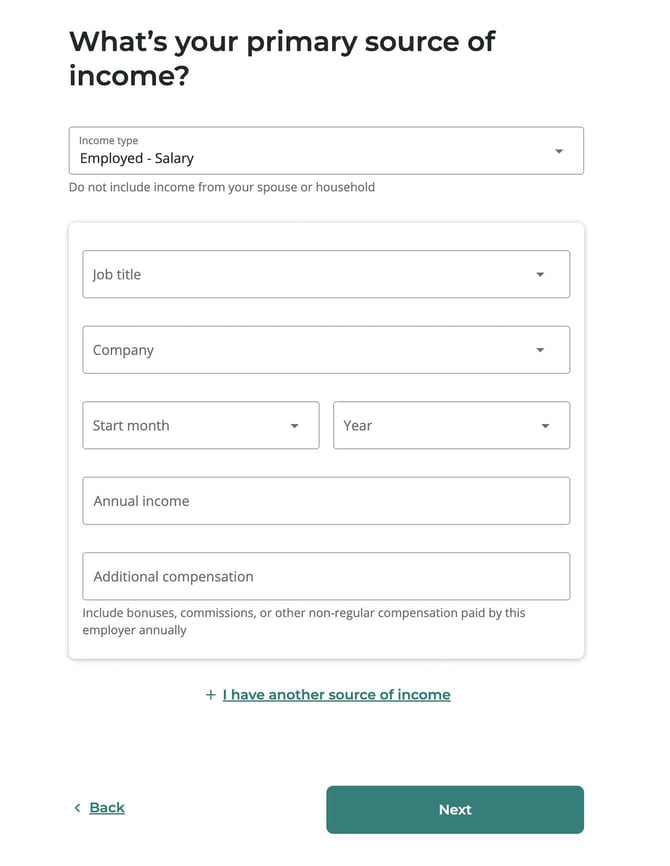
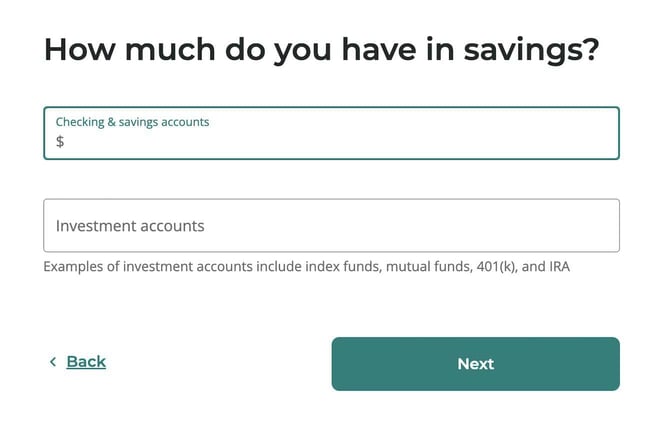
After the education section, I was asked about my main source of income and how much I make. It then asked me how much I have in savings, spread across checking, savings, and investment accounts. I’m guessing this helps signal my ability to pay back a loan.
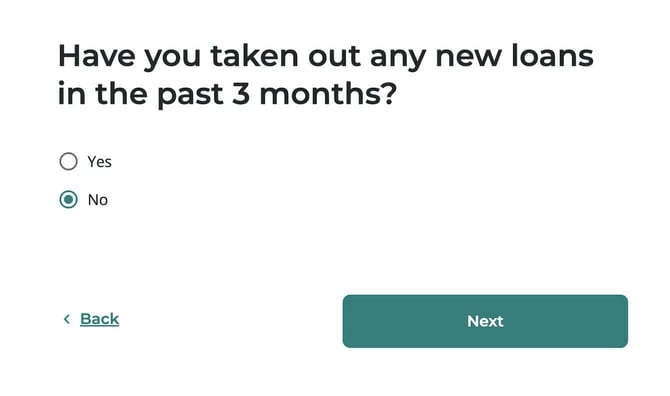
Coming into the home stretch, Upstart asked a simple yes/no of whether I took out any new loans in the past three months.
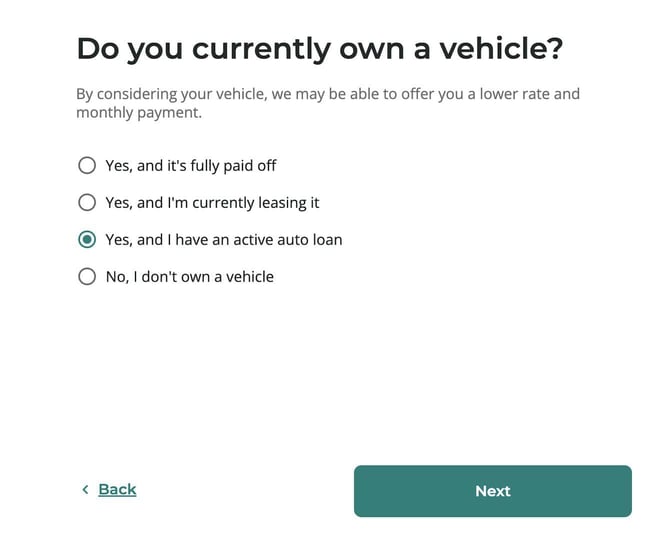
For the last question, the application asked about owning a vehicle, as it’s possible to then get matched with a secured loan offer, where you use your car as collateral to secure better rates.
After filling all that out, which just takes a few minutes despite having 13 sections, I had a chance to review all the information to make sure it looks right before hitting submit.
Finally, to help make sure you don’t accidentally submit an application, Upstart presented one more screen, asking me to check a box to accept its policies and authorize actions like sending me offers and conducting soft credit inquiries.
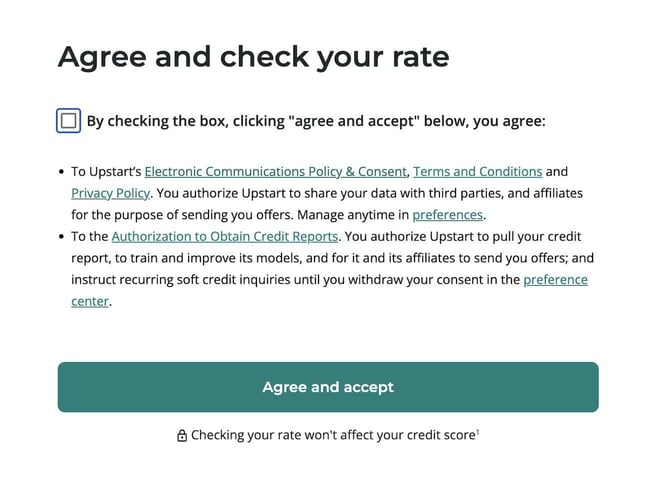
All in all, the application process is easy. While I didn’t actually submit since I’m not getting a loan now, I was able to breeze through the steps leading up to it. The user interface is intuitive and doesn’t feel clunky like some legacy banking platforms.
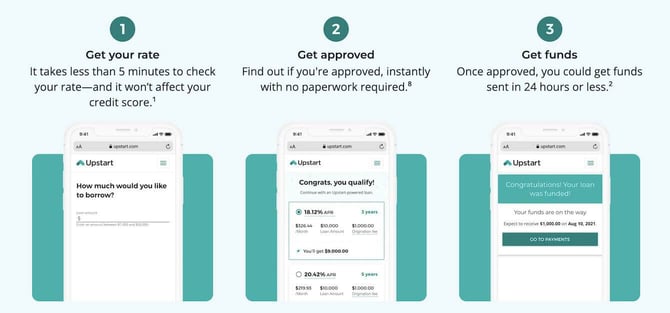
Once you submit the application, you’ll get matched with any pre-approved loan offers that you qualify for. Since these are just based on a soft credit pull, keep in mind that nothing is formalized yet.
You’ll see details including the loan amount you’re approved for, the estimated monthly payment, and any fees, but that doesn’t mean the loan is officially yours.
From there, you can select the offer you’d like, which then may include additional verification steps, depending on the situation.
For example, you might need to upload some documents or provide additional financial information to get formally approved.
You’ll then need to select from a few options, such as whether you want to make automatic or manual repayments, as well as choosing your payment date.
Then the lender will conduct the hard credit inquiry, and if everything still looks good, you’ll be asked to sign a loan agreement. This will give you one last chance to confirm details like the loan amount, repayment schedule, interest rate, and total loan costs.
The whole process typically takes a few hours to a few days. In select cases, like if a lender is having trouble verifying self-employment income, the process might take longer, but generally, it’s quick.
If you’re denied a loan, you’ll receive an Adverse Action Notice (AAN), which will lay out why you didn’t get approved, although the AAN might say to call for more details. You can also reapply after 30 days.
From the AAN, you may be able to determine what to do next to get approved. You might need to fix an error on your credit report or lower your debt-to-income ratio before you can qualify for a loan.
That said, if you simply didn’t see any offers through Upstart, but didn’t get formally denied, you might be able to check before 30 days to see if any new offers emerge.
Just know that if you didn’t see any offers, you should review your finances to see if anything might have scared lenders off. For example, if you’re an independent contractor requesting $25,000 for a large purchase, have no savings, and took out a loan in the last three months, that would likely make lenders skittish.
This is another area where Upstart makes the loan process simple. Even though the loan comes from a lending partner, you manage it through Upstart’s “My Account” dashboard.
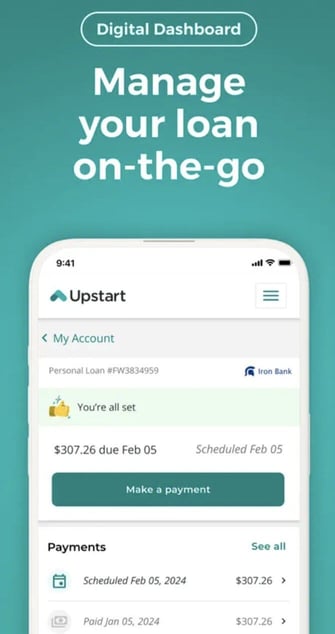
You can access the dashboard on desktop, mobile browser, or the dedicated mobile app (but only for iOS). There, you can review loan details and manage items like updating your payment method.
If your loan is in good standing, you may be eligible to change the payment date, which can help you better line up the due dates with your paychecks for a better monthly cash flow. It’s a bummer when an entire paycheck goes to paying monthly bills because they all happen to fall around the same date.
The standard option is to make one monthly payment, but you could also split that into two monthly payments. That’s another way to help your cash flow, as you’ll have smaller loan payments that align with your pay cycles.
Another thing to note is that, within the “My Account” dashboard, you may continue to receive loan offers. While you can receive multiple loans through Upstart, I’d advise not overextending yourself.
Applying for a second loan will be harder, and that hard inquiry will show up on your credit report even if you get rejected.
This dashboard also lets you review all of your documents, account notices, and loan payoff information.
And if your finances have improved while you’re still making loan payments, you can prepay your loan early, which will not only save you money but also relieve the debt burden. You can find the payoff amount through your account dashboard, as well.
Using a marketplace like Upstart can offer several advantages over getting loan offers directly from financial institutions like banks. It has a smoother, more efficient interface, and makes it easy to get relevant loan offers.
That said, you have to look closely at the details, such as fees. You might end up paying a high origination fee through Upstart, for example, whereas going directly through a bank might help you avoid that expense.
Because applying for loan offers through Upstart only involves a soft credit pull initially, you might decide to give it a try while also looking for offers directly from banks and credit unions.
Upstart is a solid choice, but it’s not the only marketplace out there. Getting approved for any loan depends on factors like the loan size, your credit history, and your comfort level with different types of lenders.
So, it’s smart to compare different lending options before going all in on one.
| Feature | Upstart | Avant | Credible | LendingClub |
|---|---|---|---|---|
| Network Size | 100+ banks and credit unions | Currently single bank partner: WebBank | 20, including Upstart (though offers/qualification going through Credible vs. Upstart directly) | Direct lending from LendingClub Bank |
| Min Credit Score | No formal minimum; varies by partner | 550 | Varies by lender; typically at least 550 | None listed, but sources suggest 600 |
| Loan Range | $1,000-$75,000 | $2,000-$35,000 | Generally $1,000-$50,000 but could be higher (varies by lender) | Up to $60,000 |
| Fees | 6.5%-35.99% APR | 9.95%-35.99% APR | 6.49%-35.99% APR | 6.53%-35.99% APR |
| Turnaround Time | As fast as one business day | As fast as one business day | As fast as the same day (varies by lender) | As fast as 24 hours |
On paper, many personal loan marketplaces or networks have similar offerings, so it really depends on the lenders they work with. If you have the time and are only doing soft credit pulls, you could apply through several marketplaces to find the best deal for your situation.
Getting a personal loan can help get you out of a bind, especially if you’re dealing with something like high-interest credit card debt and want to consolidate it into a more affordable payment.
If that’s the case, I’d recommend using Upstart to find offers. It’s free, easy to apply, and there’s no credit impact for checking offers. Upstart’s unique credit evaluation models could also help you qualify for offers you wouldn’t get from traditional lenders.
Upstart also has one of the best interfaces I’ve seen for managing your account. While that alone shouldn’t determine where you get a loan, it is certainly a big check in the plus category.
If you really want to cover all your bases (and you have a lot of extra time), you can check Upstart, other marketplaces, and go directly to banks, credit unions, or alternative lenders like peer-to-peer marketplaces.
Even then, you still want to be careful with any financing to make sure it fits within your budget. While part of me would have loved a fast online loan in college, I’m actually glad I didn’t have access to it. I would have probably just spent it on unnecessary purchases because I had no plan or financial awareness.
But if you have a clear goal and need a loan to achieve it, Upstart is a great first step.
BadCredit.org is a free online resource that offers valuable content and comparison services to users. To keep this resource 100% free for users, we receive advertising compensation from the financial products listed on this page. Along with key review factors, this compensation may impact how and where products appear on the page (including, for example, the order in which they appear). BadCredit.org does not include listings for all financial products.
Our site is committed to publishing independent, accurate content guided by strict editorial guidelines. Before articles and reviews are published on our site, they undergo a thorough review process performed by a team of independent editors and subject-matter experts to ensure the content’s accuracy, timeliness, and impartiality. Our editorial team is separate and independent of our site’s advertisers, and the opinions they express on our site are their own. To read more about our team members and their editorial backgrounds, please visit our site’s About page.

Information Warranty & Disclosure: Great efforts are made to maintain reliable data on all offers presented. However, users should check each provider’s official website for updated terms, details and conditions for each offer before applying or signing up. Our site maintains strict terms of service and may accept compensation for paid ads or sponsored placements in accordance with these terms. Users must be at least 18 years of age to be eligible for financial offers as per the terms presented on provider websites.
* FICO scores/credit scores are used to represent the creditworthiness of a person and may be one indicator to the credit type you are eligible for. However, credit score alone does not guarantee or imply approval for any financial product.
