


Writer: Erica Sandberg


Editor: Lillian Guevara-Castro


Reviewer: Adam West

If you were on a Washington, D.C., to San Francisco flight sometime in 2009, you would have noticed a woman trying to get everyone in her row to read Jill Lepore’s New Yorker article titled “Going Broke.” That was me, and the article was about the history — and importance — of U.S. bankruptcy law.
Being able to walk away from overwhelming debt is a tremendous relief for consumers, entrepreneurs and business owners. But for lenders? As much as you may prefer borrowers to handle their accounts according to the contract, if they are going to file for bankruptcy, sooner is preferable to later.
Bankruptcy is now rising. The Administrative Office of the U.S. Courts reported that total filings rose 11% in the year ending December 31, 2025, and have surged 50% from 2022. But don’t be alarmed. Here’s why this trend may actually be positive, especially for subprime lenders.
Bankruptcy Stigma Is Falling As Filings Increase
Bankruptcy gives financially stressed people the opportunity to start fresh, but it has long carried heavy stigma. Among the objections to bankruptcy are:
“You will have a black mark on your credit report.”
“You’re a failure.”
“Nobody will want to do business with you.”
But this attitude is changing. Bankruptcy is being better understood as a legitimate legal tool rather than a reckless, short-sighted decision. People who file for bankruptcy are no more irresponsible than a department store that does the same.
As discussed in the podcast, “Debt’s Grip: What Consumer Bankruptcy Reveals About Financial Risk in America,” bankruptcy filers almost always exhaust reasonable alternatives first, so bankruptcy reflects resilience under pressure.

Economic stressors are pervasive in the U.S., but consumers just starting out are especially affected. According to the American Bankruptcy Institute, filings among 18- to 29-year-olds increased by 17% from Q1 to Q2 of 2024. This group hasn’t adopted the same sense of shame about money problems as have older demographics.
While over-borrowing should be avoided, that’s a separate issue. What is positive, is that instead of floundering and delaying the inevitable because they feel bad about walking away from their creditors, they’re not suffering in silence. They’re taking action so they can move up.
Provide Information and Real Encouragement
As a lender, you can help reduce bankruptcy stigma without encouraging unnecessary filings. Provide people with information and strategies to help them get back on track so they don’t file prematurely. But explain what will happen and how you will adapt if they do go down that road.
A Chapter 7 will remain on their credit reports for 10 years and a Chapter 13 for seven years. Some lenders and businesses won’t work with them while they have a bankruptcy notation on their file.
Bankruptcy should be perceived as a business decision even when the borrower is an individual. Corporations don’t feel bad about filing. They’re making a pragmatic decision so they can continue operations. Some debts are satisfied, others renegotiated.
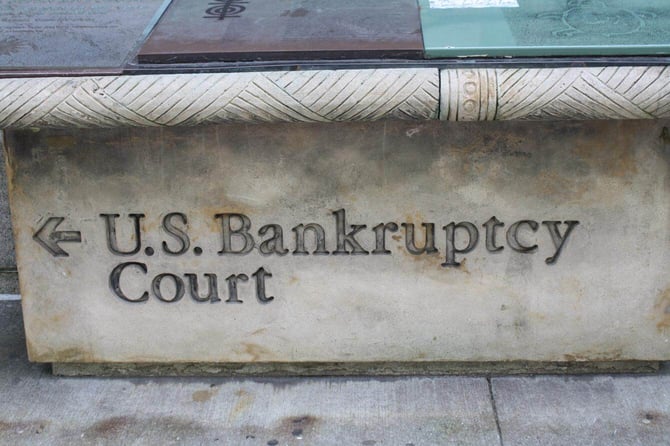
Lenders can instill this attitude. Bankruptcy either makes sense or it doesn’t. And if it does, delaying the decision may neglect essential expenses in a futile attempt to manage their obligations. That can hurt you because the debts can linger unpaid for too long.
Chapter 7 is the most common type of bankruptcy filed by individuals. In 2025, about 356,720 people filed for Chapter 7 bankruptcy and 207,889 filed for Chapter 13. And once they file, they can’t file again for another eight years.
That’s an excellent time frame to help them become better borrowers and improve their credit. After all, if they weren’t in the subprime credit bracket before they filed, they will be after.
Faster Resets Can Lead to Shorter Loss Cycles
When consumers are hanging onto unaffordable debt, have fallen behind on their payments, and are tapped out on their existing credit lines, their economic activity slows dramatically. If they don’t have any real capacity to handle a new loan or credit card, even as a subprime lender you may have to turn away.
Young adults are especially important to your business since they represent lifelong borrowers. When they show signs of serious financial trouble and have no other way to repay their debt, the sooner they get back in the game, the better.
Well-timed filings will shorten your loss timeline and reduce service drag that consumes too much of your operational resources.
Reframing Personal Bankruptcy
In many ways, bankruptcy can be best for all concerned. Without expensive liabilities keeping people back, they can pay their bills and borrow effectively. They’re back in the game.
After all, as Lepore concluded, forgiving debt instead of punishing people indefinitely is the American way. Bankruptcy is as essential to our economy as is making sure people can borrow money in the first place.
