



More Car Loans Are Falling Behind. How to Avoid a Repossession


Writer: Lucy Lazarony


Editor: Adam West


Reviewer: Ashley Fricker

Key Takeaways
- The share of auto loans at least two months behind rose to 1.33%, marking its third straight annual increase.
- Borrowers struggling with car payments should contact their lender before missing a payment and ask about hardship options.
- A repossession can leave borrowers owing a deficiency balance after the lender sells the vehicle.
Fall far enough behind on a car loan, and the lender can take back the keys. More auto loans are moving closer to that point.
The share of auto loan accounts at least two months behind climbed to 1.33% in the second quarter of 2026. That number has now risen from a year earlier three years in a row, according to TransUnion.
Auto Delinquencies Keep Rising
Source: TransUnion Q2 2026 Auto Credit Industry Insights Report
More auto loans may soon join them, according to the Federal Reserve Bank of New York.
Auto loan balances climbed by $28 billion, or 1.7%, in the second quarter. The share of auto loan balances becoming at least 30 days past due also edged up, according to the New York Fed’s second-quarter 2026 Household Debt and Credit report.
Falling Behind? Call Your Lender Before It Gets Worse
If your car payments are becoming harder to afford, contact your lender before you fall behind.
Contact your lender and explain your financial situation. Ask whether it offers an auto loan hardship program that could allow you to change your payment due date, make reduced payments, or modify your loan.
Don’t wait for a missed payment to make the first move. If you don’t act as missed payments pile up, your lender could repossess the vehicle.
Act Quickly After a Vehicle Repossession
The financial consequences of a repossession can continue after the vehicle is gone.
If the sale comes up short of your loan balance and applicable fees, you may have to pay the difference. That leftover debt is called a deficiency balance.
Don’t Let the Remaining Debt Linger
Ask the lender to confirm the vehicle’s sale price and itemize any remaining balance and repossession fees, advises Leslie Tayne, founder and managing director of Tayne Law Group.
Depending on state law, the lender may try to collect the deficiency or sue you for the unpaid amount.

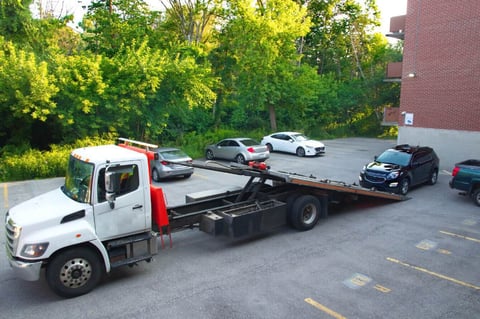
Be upfront about what you can afford. Tayne recommends offering the lender or collector a manageable payment plan or lump-sum settlement. It may be willing to work with you rather than come away empty-handed.
If you reach an agreement, ask the lender or collector to confirm every term in writing rather than relying on a verbal promise.
Start Repairing the Damage to Your Credit
Once you’ve dealt with any remaining repossession debt, Tayne recommends reviewing your credit reports and disputing any errors you find.
“Then, begin rebuilding your credit by creating responsible financial habits that you can stick to, such as not taking on debt you cannot afford to repay, making on-time payments to all of your debts, and keeping your credit card balances low,” Tayne said.
Taking these steps can help you rebuild your credit over time.
“While the repossession may stick on your credit report for up to seven years, its impact will diminish over time as you begin to reestablish a positive credit history,” Tayne said.
“Try to fill your credit reports with as much good information as you can.”
— Ted Rossman, Money Management International
You don’t have to wait for the repossession to disappear from your credit reports before you start rebuilding.
“Try to fill your credit reports with as much good information as you can,” Ted Rossman, principal consumer finance analyst at Money Management International, told us. “That starts with paying all of your other loans and lines of credit on time and trying to keep your debts low.”
Be strategic about adding new credit card accounts, Rossman advises.
Use New Credit Carefully
“The credit score damage associated with a repossession could make it difficult to obtain credit in your own name for a few years. A good workaround could be getting on a parent or spouse’s credit card account as an authorized user,” Rossman said.
Becoming an authorized user could help your credit if the issuer reports the account to the credit bureaus and the primary cardholder keeps the balance low and pays on time.
A secured credit card or credit-builder loan can give you another way to get some positive payment history on the books.
With a secured credit card, you generally put down a refundable deposit that determines your credit limit. Making small purchases and paying the balance in full and on time each month could help your credit if the issuer reports your payment history to the credit bureaus.
With a credit-builder loan, the lender generally holds the borrowed money in a secured account while you make monthly payments. Those payments are typically reported to the credit bureaus, and you receive the money after completing the loan, minus any applicable interest and fees.
“As long as you use these tools responsibly, they can help your credit score,” Rossman said.
Getting Back on the Road After a Repossession
Don’t jump at the first auto loan offer you receive. Tayne recommends saving for a larger down payment, then shopping around for the rate and terms that put the least strain on your monthly budget.
“Keep in mind that a lower-cost vehicle may be the best option for you while you are rebuilding your credit and you might also consider a co-signer to help reduce the costs since you’ll likely have high interest rates from poor credit after a repossession,” Tayne said.
Before signing another auto loan, make sure the monthly payment fits comfortably within your budget.


