



June Inflation Spike Rattles Rate Cut Hopes, Puts Subprime Lending on Edge


Writer: Eric Bank


Editor: Lillian Guevara-Castro


Reviewer: Adam West

Key Takeaways
- June's CPI increased by 0.3%, the highest monthly rise since January, driven in part by tariff-related hikes in the cost of imported goods.
- Annual inflation rose to 2.7%, stoking fears that the Fed may delay rate cuts, and market tensions could rise.
- Rising prices and market volatility may strain subprime borrowers, leading to higher delinquency rates and making it harder for lenders to extend credit.
Consumer prices rose 0.3% in June — the largest monthly gain in six months — posing fresh challenges for the subprime lending industry.
According to the latest data published by the Bureau of Labor Statistics, the year-over-year rate of inflation now stands at 2.7%, driven in part by tariff-related cost pressures.
For subprime lenders, this raises concerns about increased delinquencies, tighter underwriting, and a potentially riskier credit environment.
Tariff-driven inflation complicates the Fed’s march toward potential rate cuts.

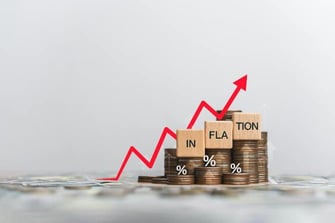
Investors had priced in some cuts for 2025. Those bets are now being reversed, and Wall Street increasingly wagers the Fed will hold back until later in Q4, even as far off as early 2026.
That shift could ripple through credit markets directly. Higher interest rates usually mean tighter underwriting, higher APRs, and more rejection of riskier borrowers.
For the subprime market with budgets as tight as they are, even a small squeeze can have disproportionate effects.
Inflation Reverses Its Decline
In June, price data broke from the spring’s cooling trend. Economists had expected prices for consumer goods to stabilize, but new tariffs on Chinese imports — including electric vehicles, solar panels, and major industrial goods — began pushing broader price measures upward.
Food and energy prices stayed relatively stable, but core goods — especially in trade-sensitive sectors — rose more than most analysts expected. The Fed, which has said its decisions are “data-dependent,” may now pause its policy reversal in light of June’s CPI report.
“You’re beginning to see the tariffs bite,” said Omair Sharif, head of Inflation Insights, highlighting rising prices in apparel, household furnishings, and recreation goods.
Borrowing Could Become More Difficult for Riskier Customers
When rate cuts appear distant, lenders tend to pull back — raising rejection rates, reducing loan originations, and imposing stricter terms, especially on non-prime borrowers.
As a result, access to auto financing, personal loans, and credit cards becomes harder to come by — just when many consumers need credit the most.
Subprime borrowers are typically the first to feel the pain, as rising prices drive up already-high credit card balances among low- and middle-income households. Without the relief of rate cuts, even the minimum payment can go up, aggravating debt burdens and increasing the risk of default.
With rates cuts potentially off the radar, loan issuers may become more stringent with their processes, making it more difficult for borrowers.
Lenders are feeling the strain, too. When they can’t pass rising costs onto borrowers or when risk-adjusted returns fall short, profit margins shrink — making new credit less appealing.
Some subprime lenders have responded by halting new loans altogether or shifting to lower-risk products like secured credit cards and more conservative auto loans.
Tariff Uncertainty Becomes a Factor
While the latest rise in inflation is modest by historical standards, the source of the spike — trade policy — is far less predictable than monetary forces. The White House hasn’t ruled out the possibility of additional tariffs, and retaliatory moves by China or other trading partners could trigger volatility.
Uncertainty does not help underwriting models. Lenders that depend on predictable macroeconomic trends often shy away from higher-risk borrowers — including near-prime and credit-invisible consumers looking to break into mainstream credit.
That matters, especially for low-income families, who often feel inflation most acutely. When more of their paycheck goes toward essentials like food, rent, and transportation, there’s less room to save or stay current on debt — further compounding the credit gap.
That financial pressure usually means more skipped payments and increased charge-offs.
What’s Next for Subprime Lenders?
For now, most creditors are in wait-and-see mode. But if inflation keeps rising or the Fed signals a firm pause on rate cuts, many subprime lenders may be forced to revise their forecasts for 2025 and 2026.
Some may respond by leaning more heavily on fixed-rate installment loans and stricter payment controls. Others could double down on underwriting innovation, turning to cash flow and alternative data to better identify resilient borrowers in an uncertain economic climate.
Auto and point-of-sale lenders may also need to reassess their risk models, especially due to high car prices and pressure on discretionary spending. Fintechs and local lenders that rely on wholesale financing may pull back from subprime segments if the cost of capital remains high.
Since larger lenders have diversified books, they can use the time frame to increase market share — gaining high-margin subprime segments as competitors pull back. That pattern may accelerate consolidation in 2025, especially in unsecured personal loans and credit-building tools like rent-reporting platforms.
The June CPI surprise upended forecasts and sent a clear message: Whether it’s the Fed or the White House setting the tone, lenders need to stay nimble. They may also need to reassess their risk models.


