



CFPB Moves to Ease Oversight of Nonbank Lenders


Writer: Eric Bank


Editor: Lillian Guevara-Castro


Reviewer: Adam West

Key Takeaways
- The CFPB plans to curb when it directly supervises nonbank firms.
- Nonbanks for products like subprime auto lending, credit reporting, remittances, and digital payment products may have less oversight, which raises risks for consumer protection.
- This follows on the heels of earlier efforts to reduce CFPB enforcement with staff reductions and litigation.
The Consumer Financial Protection Bureau plans to further curb its oversight, limiting when it can directly supervise nonbank firms.
It’s the latest move in a broader shift affecting products and services widely used by subprime borrowers, including auto loans, peer-to-peer payment platforms, and international remittances.
According to the American Banker, CFPB officials said the proposal “reflects an ongoing reassessment of priorities” as the agency responds to court rulings and potential funding cuts.

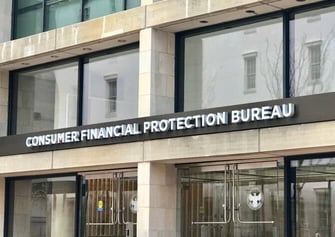
This proposal follows a string of attempts to limit the bureau’s influence, including decisions that opened the door to staffing cuts and weaker enforcement. Fewer compliance demands may lower operational friction for lenders and fintechs.
But for consumers — especially those already financially stretched — the risk of diminished protections grows sharper.
Under current rules, the CFPB has the ability to supervise nonbanks when their practices constitute severe risks for consumers. Limiting that power could leave regulation gaps where the risk for the borrower is greatest, particularly for patchwork-regulated states.
The rollback could leave individuals in underserved populations more vulnerable to costly products and with fewer protections.
What’s at Stake for Subprime Borrowers
Nonbank lenders dominate many subprime markets, and a reduction in CFPB supervision could reverberate across several sensitive sectors:
- Auto Financing: Subprime borrowers often turn to nonbank auto lenders. With looser oversight, risks rise around higher rates, incomplete disclosures, and weaker servicing standards.
- Consumer Credit Reporting: Alternative credit data providers and reporting services could face less accountability, potentially increasing errors and complicating disputes that damage consumer credit.
- Debt Collection: Fewer federal checks on nonbank collectors may lead to more aggressive tactics, disputed balances, and inaccurate reporting.
- Digital Payments & P2P Platforms: As fintech firms expand, reduced scrutiny could heighten the risk of fraud, opaque fees, and weaker data protections.
- International Money Transfers: Remittance service companies may face lighter regulations, which creates the potential for gaps in fraud control, pricing clarity, and safeguarding reliability.
These possible developments have as much of an impact on lenders as on borrowers. Lacking a uniform federal standard, companies would face a variety of state laws, raising organizational uncertainty and compliance costs.
A Shrinking Safety Net
The CFPB’s position as a federal watchdog has been under sustained pressure, but this proposal signals a more pronounced retrenchment. Observers warn that the bureau’s ability to protect consumers may be eroding, weakened by potential layoffs and diminished enforcement capacity after recent legal battles.
Congressional proposals to slash the CFPB budget by up to 90% raise questions about its ability to carry out consumer protection efforts..
Less aggressive oversight could also spill over into areas like student loans, medical debt, and consumer data protections, amplifying exposure in markets already prone to disputes and errors.
The Bigger Picture
The retreat has created a shifting balance between looser oversight and heightened risk. To some lenders, it may look like an opening for innovation; to others, it signals more vulnerability if safeguards erode.
Uncertainty over who will fill the gaps leaves lenders and borrowers unsure whether they face calmer waters ahead or heightened risks as oversight rules are redefined.


