



Opinion: No More Blind Spots — BNPL Data in Credit Scores Is a Win for Risk and Inclusion


Writer: Erica Sandberg


Editor: Lillian Guevara-Castro


Reviewer: Adam West

If I were a subprime lender, I would be popping champagne bottles right now. Finally FICO, which produces the most widely used credit scores, has expanded its offerings. The most recent versions are about to make your business decisions not just easier and more accurate, but more inclusive.
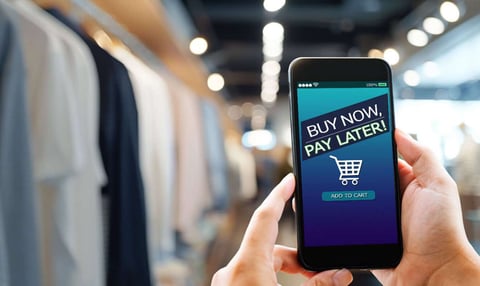
Buy now, pay later (BNPL) loans are very much part of today’s financial ecosystem, which means accessing a credit score that includes their details is a win for all.
I’m only surprised it took this long.
The Future is Positive
In the recent past, the only time a BNPL loan would show up on a consumer credit report is if it had gone bad. It might be listed if the borrower didn’t make the payments, the loan went into default, and collection action had ensued.
There was no sign, then, of these loans going right.
That’s like your boss only knowing about the times when you made a mistake but having no intel about your excellent performance overall.
Although furnishing information to the credit bureaus remains voluntary, major BNPL companies like Affirm and Klarna have begun to supply data. Once that information is added to the report, it can be included in a credit score.
More Choice For Lenders At No Extra Cost
In June, 2025 FICO launched its FICO® Score 10 BNPL and FICO® Score 10 T BNPL, the first credit scores to incorporate these loans.
The FICO Score 10 BNPL mixes in data from BNPL loans with traditional data, such as payment, history and credit utilization, while the FICO Score 10 T BNPL takes it a step further by incorporating trended credit bureau data.

Subprime lenders may want to defer to the FICO Score 10 T BNPL to make their decisions. It’s the most comprehensive so it can provide deeper insight into your customer base.
And right now, there’s no reason to wait. At this stage, these scores are being offered side by side with their other versions at no additional cost. According to FICO, this introductory approach is meant to help lenders evaluate just how the new credit scores compare to its other models.
How and Why Are Consumers Using BNPLs
American consumers have embraced BNPL loans. Most retailers, from Amazon to ZARA, offer these arrangements to shoppers. As a lender, it will be important to understand who, why and how people are using them, and to pay attention to the warning signs.
BNPLs are different from traditional credit products. Some have extremely short repayment terms, such as four installments, and typically do not include interest. They’re very attractive to people who want to buy something expensive then quickly pay it off, without having to add it to their credit card.
Other BNPLs last a lot longer, such as up to 36 months which is a typical term of a personal loan. Interest is usually added, and the rates can be high. Still, they differ from traditional personal loans because the debt is tied to a specific purchase instead of a bulk of cash that can be used for anything.
The college student who occasionally uses BNPLs to pay for concert tickets is very different from the parent who can’t afford basics like food and is using BNPLs to make ends meet. A 2025 Lending Tree survey unearthed some alarming statistics:
- 25%t of BNPL users have used them for groceries
- 23% say they have had more than three BNPLs going at once
- 33% use them as a bridge until their next paycheck
As BNPL data is added to credit reports and incorporated into scores, it’s important that lenders recognize the difference between the occasional user who is managing their money in healthy ways and those who are in financial trouble.
BNPL Data Can Help Subprime Borrowers
One of the benefits to people who are just starting out with credit or who have had past borrowing problems is the credit check is less daunting than it is for many credit cards and loans. This makes BNPLs particularly attractive to people with no or poor credit scores.
A 2024 Federal Reserve report concluded that Americans with lower credit scores are more likely to use BNPLs than those with higher scores. Nearly 3 in 10 adults who have credit scores between 620 and 659 use BNPL loans, roughly three times more than people with credit scores of 720 or higher.
According to a 2025 Numerator study, BNPL users also tend to be Gen Z or millennial multicultural, urban families earning under $60,000 per year. Factoring in such data as cost of living, household size, and regional differences, these borrowers are 42% more likely to fall into the lower third of purchasing power.
Many BNPL users, therefore, are subprime customers.
Mysteries No More
Transparency by way of inclusion benefits all parties. Mysteries are solved since at least some of the major BNPL companies are sending data to the credit bureaus, and FICO has responded by creating more comprehensive scores.
As a subprime lender, this is precisely the information you need. With the upgraded FICO Score variations, you won’t shut out applicants who truly deserve the chance to get ahead with good loans and credit cards, which can help them move up the borrowing ladder.
And if someone seems like a positive borrower based on a credit score that doesn’t include BNPLs but is actually floundering with payments and overwhelming debt, you can avoid granting them a product they can’t afford and will only end up hurting them.
So a toast to FICO’s new scores. They should be a key factor in helping subprime lenders reduce risk as they open up borrowing opportunities to qualified but unseen individuals.


